Finding the right manufacturing partner is one of the most critical steps in launching or scaling a successful swimwear brand.
To find the best swimwear manufacturer, you need to look for a partner that provides quality materials, flexible MOQs, transparent pricing, and has proven experience in swimwear production. The process involves checking certifications, requesting samples to assess quality, and choosing a manufacturer with strong communication and ethical production standards.
This guide will walk you through everything you need to know to find the perfect partner for your brand.
Key Considerations When Choosing a Swimwear Manufacturer
Before you begin contacting potential factories, it is crucial to first define your brand’s unique identity and production needs. Having a clear understanding of your requirements will help you filter for the right partners from the very beginning.
1.Define Your Product Niche
Different types of swimwear require specialized manufacturing knowledge. A factory’s experience should align with your specific product category, whether it’s:
- Women’s swimwear, such as bikinis, one-pieces, or cover-ups
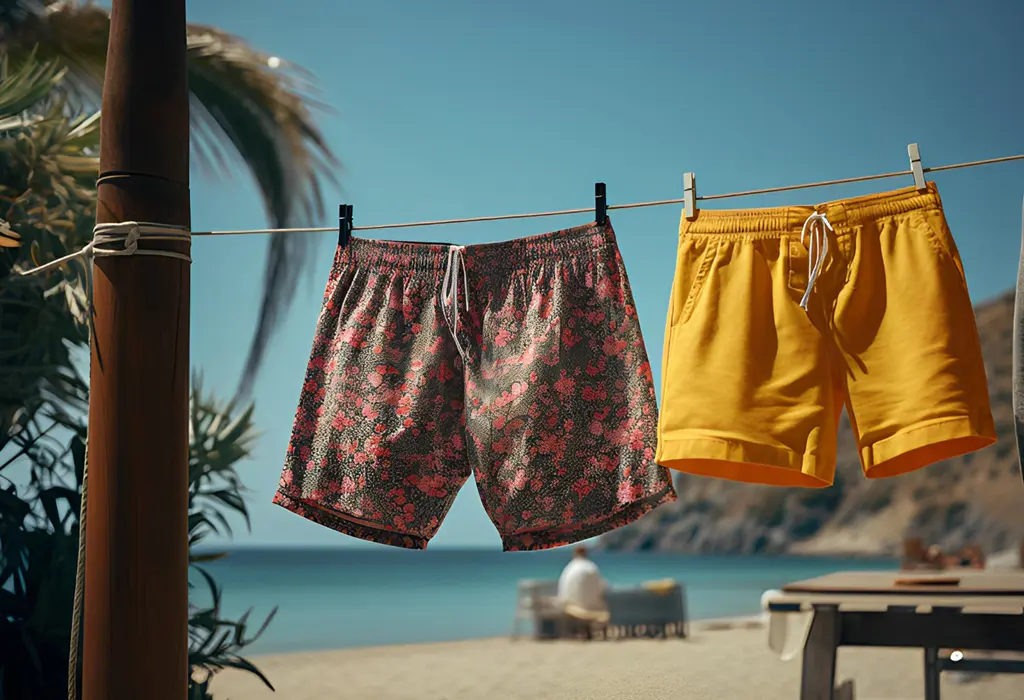
- Men’s swimwear, including trunks, briefs, or surf shorts
- Kids’ swimwear and matching family sets
- Active or performance swimwear designed for sports
Each category uses distinct patterns, fabrics, and elastic compositions, making it vital to work with an experienced manufacturer in your chosen niche.
2.Prioritize Fabric Quality and Sustainability
Today’s consumers are increasingly conscious about the materials used in their products. Look for factories that offer a range of high-quality and sustainable options, such as:
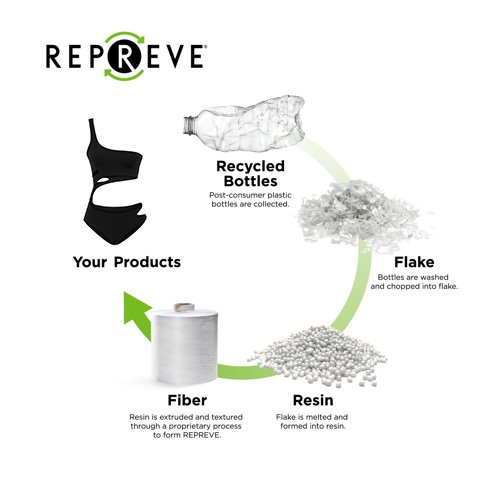
- Recycled fabrics like ECONYL® or REPREVE®
- Materials certified by OEKO-TEX® to be free from harmful substances
- Custom printing capabilities and fabrics with UV and chlorine resistance
3.Understand Minimum Order Quantity (MOQ)
Your production volume will determine which manufacturers are a good fit.
- For startups and emerging brands, it is best to find manufacturers with low MOQs, ideally around 50–100 pieces per style.
- For larger, established brands, you can negotiate better rates for bulk orders of thousands of units.
4.Verify Customization Capabilities
A professional swimwear manufacturer should provide a full suite of customization services to help bring your brand vision to life.
Key offerings include:
- Development of custom patterns and styles
- Logo printing and embroidery services
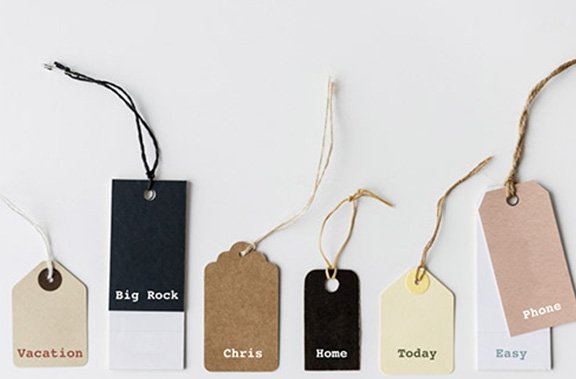
- Creation of branded tags, custom packaging, and accessories
5.Insist on Clear Communication & Transparency
Effective communication is non-negotiable.
A good manufacturing partner is easy to reach, provides detailed cost breakdowns, and keeps you informed throughout the production process.
You should avoid suppliers who are slow to respond or are not willing to share information about their factory.
A Step-by-Step Guide to Finding Your Swimwear Manufacturer
Step 1: Define Your Brand Requirements
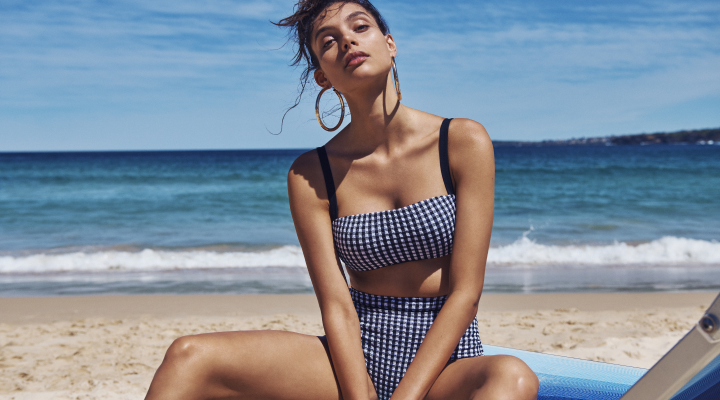
Before starting your search, create a clear brief that outlines your brand’s core needs. This should include:
- Design Direction: Is your brand luxury, sporty, sustainable, or trendy?
- Target Audience: Are you targeting women, men, kids, or performance athletes?
- Budget: What is your target cost per unit and overall pricing range?
- Production Volume: How many units do you plan to produce?
Having a well-defined vision makes your search more focused and presents your brand professionally.
Step 2: Research Potential Manufacturers
You can find specialized swimwear factories through several channels. Focus your search on factories that specialize only in swimwear, not general apparel factories.
- Google Search: Use targeted keywords like “swimwear manufacturer China” or “private label swimsuit“.
- B2B Marketplaces: Explore platforms like Alibaba or Global Sources.
- Industry Trade Fairs: Attend events such as Canton Fair, Modefabriek, or SwimShow Miami.
- Professional Networks: Use LinkedIn or B2B Facebook groups to connect with suppliers.
- Referrals: Ask for recommendations from other brand owners in the industry.
Step 3: Shortlist and Vet 3–5 Candidates
Once you have a list of potential partners, compare them based on the following criteria:
- Product photos and sample galleries
- Reviews and client testimonials
- Factory size and production capacity
- Response speed and professionalism
- MOQ and pricing flexibility
Pro Tip: A good sign of an experienced factory is if they immediately understand swimwear-specific terminology like “4-way stretch,” “chlorine-resistant swimsuit,” or “pad printing logo“.
Step 4: Request and Evaluate Samples
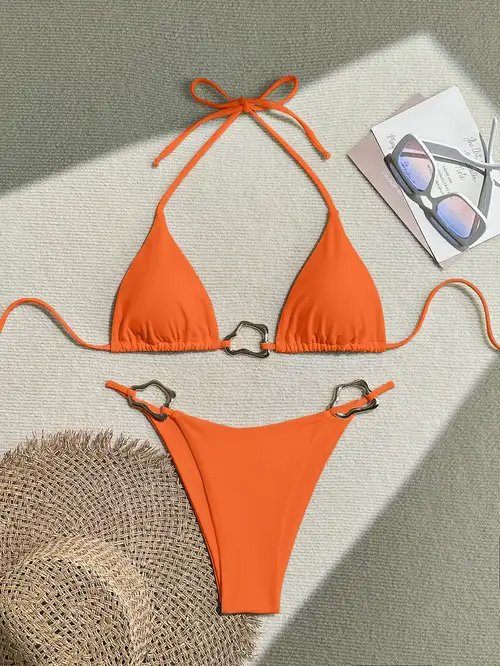
Samples are the ultimate test of a factory’s workmanship. When evaluating samples, pay close attention to:
- Stitching Quality: Seams should be even, clean, and strong.
- Elastic Recovery: The fabric should hold its shape after being stretched.
- Color and Print Accuracy: Colors must be vibrant and consistent with your designs.
- Fabric Feel: The material should feel smooth, soft, and supportive.
Step 5: Compare Production Timelines and Processes
Ask each finalist detailed questions about their operations:
- Sample Lead Time: What is your standard time for producing samples? (An ideal timeframe is 7–10 days) .
- Bulk Production Time: How long does a full production run take? (Typically 25–35 days) .
- Payment & Quality Control: What are your payment terms and what quality control processes do you have in place?.
Expert Warning: Be cautious of any manufacturer claiming they can produce custom samples in just 3 days. The professional sampling process requires time for sourcing fabrics, setting up printing, and conducting fit tests. Quality and accuracy should always be prioritized over unrealistic speed.
Step 6: Verify Certifications and Ethical Compliance
Partnering with certified factories protects your brand’s reputation and ensures product safety. Key certifications to look for include:
- OEKO-TEX®: Ensures fabrics are tested for harmful chemicals.
- GRS (Global Recycled Standard): Verifies the use of recycled materials and ethical production.
- BSCI / SEDEX: Confirms ethical labor standards.
- ISO 9001: A certification for quality management systems.
Step 7: Arrange a Factory Visit (Virtual or In-Person)
If you can, visit the factory to observe their operations firsthand. If an in-person visit isn’t feasible, request a factory video tour or a live production call via Zoom. Transparent manufacturers will have no issue showing you their machinery and sample rooms.
Step 8: Start with a Small Test Order
Always begin with a small order to test the manufacturer’s entire process, from communication and timeliness to final product quality. Once you are satisfied with the results, you can scale up your future collections with confidence.
Local vs. Overseas Swimwear Manufacturers
The decision to manufacture locally or overseas depends entirely on your brand’s priorities.
| Feature | Local Manufacturers (USA, UK, Australia) | Overseas Manufacturers (China, Bali, Vietnam) |
| Pros | Easier communication, faster turnaround, supports local industry, easier returns. | Competitive pricing, flexible MOQ, wide fabric selection, large production capacity, advanced equipment. |
| Cons | Higher labor and material costs, higher MOQ, limited material variety, may not handle large scale. | Longer shipping times, potential language barriers, import duties and logistics to manage. |
| Ideal For | Boutique brands needing close control over sampling and fit. | Brands seeking cost-effective production, full customization, and global sourcing at scale. |
Frequently Asked Questions (FAQ)
How do I know if a manufacturer is reliable?
A reliable manufacturer will have positive reviews, seamless communication, and provide high-quality samples that meet your expectations.
They are also transparent about production times and costs. Avoid factories that give vague answers or are unwilling to provide video verification.
How much does it cost to manufacture swimwear?
Costs can vary significantly based on design complexity, fabric choice, and order quantity:
- Basic bikinis: Approximately $8–$15 per set.
- High-end or luxury designs: Approximately $20–$40 per set.
- Recycled eco-fabrics: Can add 15–25% to the cost.
Shipping, packaging, and labeling are usually additional costs.
Can I produce eco-friendly or sustainable swimwear overseas?
Absolutely. Many Chinese and Balinese manufacturers now specialize in recycled and sustainable swimwear.
Look for GRS, OEKO-TEX®, or REPREVE® certifications to verify authenticity.
How can I ensure consistent quality for every order?
To maintain quality, it is best to build a long-term relationship with a single factory. Always approve a pre-production sample before starting a bulk order and request quality control photos or videos during the process. For large orders, consider using a third-party inspection service.
Conclusion
Finding the best swimwear manufacturer for your brand takes research, clarity, and communication.
Define your product vision, evaluate both local and overseas options, and never skip sample testing or certification checks.
With the right partner, your brand can achieve consistency, quality, and a faster path to success.
Looking for a reliable, transparent, and eco-conscious manufacturer?
👉 Contact Joy Bikini today to start your custom swimwear project.