
In the ever-evolving world of swimwear manufacturing, brands face a defining question before launching production: Should you choose a private label or a white label model? The distinction may seem subtle, yet it shapes everything—from design freedom and pricing strategy to brand identity and long-term scalability.
Both approaches have changed the way swimwear collections reach the market. However, the difference lies in the degree of control a brand has over design, customization and ownership.
Understanding these two business models will help you choose the right production path for your swimwear brand vision and market position.
What Is White Label Swimwear?
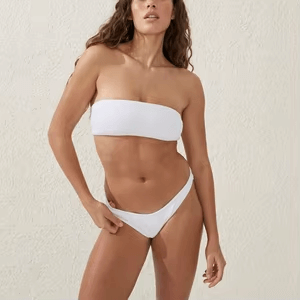
White label swimwear refers to ready-made products that a manufacturer has already designed, developed, and produced in bulk. These garments are sold to multiple retailers or brands, who then rebrand them with their own logo, tags, or packaging before resale.
For example, a factory might produce a set of stylish triangle bikinis or high-waisted bottoms in standardized colors and sizes. Different brands can purchase the same models, add their own label, and market them under distinct brand names.
Key Characteristics
- Pre-designed styles: Manufacturers create universal designs that appeal to a wide market.
- Minimal customization: Brands can often change colors, prints, or tags—but not structure or pattern.
- Quick turnaround: Products are ready to ship or require minimal lead time.
- Lower minimum order quantity (MOQ): Ideal for small retailers or first-time swimwear sellers.
Advantages of White Label Swimwear
- Speed to Market
With ready-made inventory, white label swimwear allows brands to launch collections in weeks, not months. This agility is ideal for testing new markets or responding to seasonal trends. - Lower Investment Risk
Since there’s no need for pattern development or custom sampling, initial costs are significantly reduced. White label is a perfect entry point for new entrepreneurs validating product demand. - Simplified Process
The manufacturer handles most technical aspects—from design to production—allowing brands to focus on marketing, photography, and sales. - Consistency and Quality Control
Established white label swimwear suppliers have refined these designs through multiple production runs, meaning fewer surprises in fit and finish.
Limitations of White Label Swimwear
- Lack of exclusivity: Other brands may sell identical or similar designs, limiting differentiation.
- Restricted creative control: You can’t alter patterns, cuts, or materials beyond pre-set options.
- Brand dilution risk: Competing in the same visual space can make it harder to build a distinctive brand identity.
White labeling, therefore, suits boutiques, online sellers, or influencers who want to enter the swimwear market quickly and efficiently—but not those seeking complete design ownership.
What Is Private Label Swimwear?
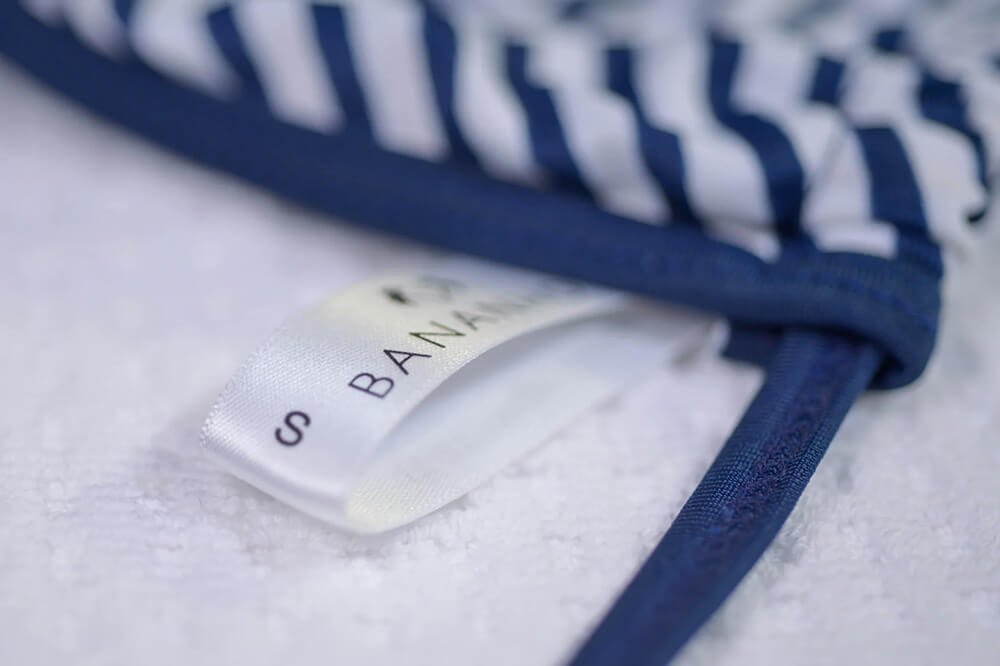
Private label swimwear, by contrast, is developed exclusively for one brand. The manufacturer works closely with designers to create custom patterns, fabric selections, colors, prints, and trims. Every detail—from fit to finish—reflects the brand’s DNA.
In private labeling, the factory serves as your production partner, not just a supplier. You own the design, define the brand story, and control how the product looks, feels, and performs.
Key Characteristics
- Custom design & development: Each style is created specifically for your brand.
- Flexible materials & accessories: You can select fabric compositions, linings, cups, hooks, and labels.
- Intellectual property ownership: The patterns and design concepts belong to your brand.
- Medium to higher MOQ: Because production lines are dedicated to your styles, minimums are typically higher than in white labeling.
Advantages of Private Label Swimwear
- Complete Creative Freedom
You decide every design element—silhouette, coverage, color, print, and hardware—making your collection unique. - Stronger Brand Identity
Exclusive designs reflect your aesthetic and market positioning, building long-term brand value and customer recognition. - Higher Profit Margins
While the upfront investment is greater, exclusive products allow premium pricing and better control over retail strategy. - Scalability
Once established, you can expand designs seasonally and maintain consistent brand DNA across future collections. - Confidentiality & IP Protection
Professional private-label manufacturers, like Joy Bikini, ensure your patterns and materials remain confidential—protecting your creative work from duplication.
Limitations of Private Label Swimwear
- Longer lead time: Custom sampling, fitting, and revisions extend the development phase.
- Higher starting cost: Exclusive molds, trims, and fabrics require more investment.
- Design responsibility: The brand must guide creative direction and approvals.
Despite these considerations, private labeling is the route most successful swimwear brands take once they define their audience and aesthetic. It’s the key to lasting brand equity and control.
Private Label vs. White Label Swimwear: A Direct Comparison
| Aspect | White Label | Private Label |
|---|---|---|
| Design Ownership | Manufacturer’s designs reused by multiple brands | Exclusive designs created for one brand |
| Customization Level | Limited (logo, color, packaging) | Full customization (style, fabric, prints, trims) |
| Development Time | Very short (ready stock) | Moderate to long (1–2 weeks) |
| MOQ (Minimum Order Quantity) | Low (as few as 20–50 pcs/style) | Medium to high (typically 50–200 pcs/style) |
| Cost per Unit | Lower | Higher, due to custom work |
| Brand Identity | Shared among many | Unique and proprietary |
| Profit Margin Potential | Moderate | Higher, due to exclusivity |
| Ideal For | Start-ups, influencers, test markets | Established brands, designer labels, B2B wholesalers |
This table summarizes why white label swimwear is ideal for beginners, while private label swimwear is the natural next step for brands ready to scale and differentiate.
When to Choose White Label Swimwear
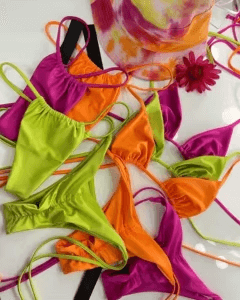
White label is the right solution if your priority is speed, simplicity, and low entry cost. It suits:
- Influencers launching capsule collections.
- Retailers expanding product categories quickly.
- Brands testing market demand before committing to custom development.
Pro Tip
Start with white label to validate your audience, then transition to private label once sales stabilize. The early cash flow and market data from white label products can fund your custom line later.
When to Choose Private Label Swimwear
Private labeling is ideal if your brand strategy revolves around uniqueness, long-term growth, and premium positioning. It suits:
- Designers building recognizable signature styles.
- Established retailers seeking exclusivity.
- Entrepreneurs targeting luxury or niche swimwear markets (e.g., eco-friendly, minimalist, athletic).
Pro Tip
Invest in clear design direction before sampling. A cohesive brand aesthetic—color palette, fabric texture, and fit philosophy—helps streamline development and reduce revision cycles.
The Hybrid Approach: From White Label to Private Label
Many successful swimwear brands evolve through a hybrid strategy. They begin with white label models to enter the market quickly, build an audience, and analyze best-selling cuts or colors. Once confident, they gradually transition to private label production for their signature line.
This staged approach minimizes financial risk while laying the groundwork for a brand with both speed and originality. It’s a common path among growing boutique brands and online retailers worldwide.
Which Model Is Right for Your Brand
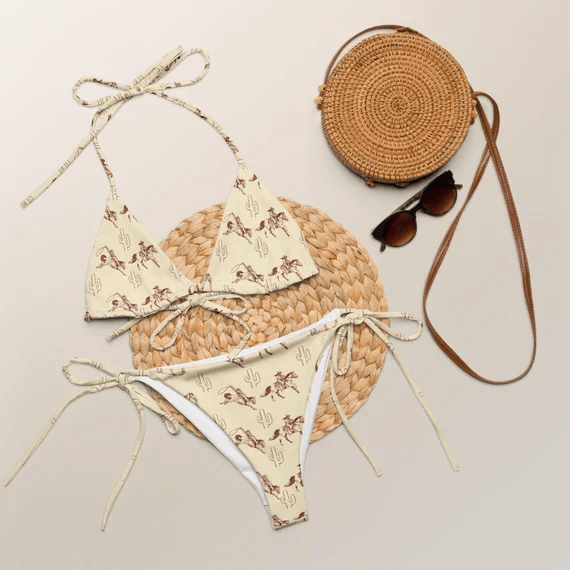
Choosing between private label and white label swimwear depends on your budget, timeline, creative ambition, and brand goals.
Ask yourself:
- Do I want exclusive designs no one else sells? → Choose Private Label.
- Do I need to launch fast with minimal risk? → Choose White Label.
- Am I growing from testing the market to building a unique brand identity? → Combine both for a hybrid strategy.
Ultimately, your swimwear brand’s success relies on balancing speed, originality, and quality—and selecting a manufacturer capable of supporting that vision.
Conclusion
The difference between private label and white label swimwear goes far beyond terminology—it defines your brand’s creative independence and long-term sustainability.
White label provides an efficient start: accessible, low-risk, and fast. Private label, however, builds legacy: exclusive designs, craftsmanship, and control over brand narrative.