
The garment price is only one part of launching a custom swimwear style. Before a production order exists, you may need to resolve artwork, samples, material choices and revisions. A low unit price does not tell you what those steps will cost.
To plan custom swimwear development cost, build a record of the work required to reach an approved product. Keep this separate from the budget for manufacturing the saleable order.
Define what the development work must deliver
Start with your current inputs: sketches, a reference garment, artwork, measurements or a complete swimwear tech pack. Tell the supplier which documents are ready and which decisions still need support.
Ask for the deliverable behind each charge. “Development included” could leave questions about pattern work, the number of physical samples, size coverage and final files. Record what will be supplied, how it will be reviewed and what would count as additional work.
Separate the cost buckets
| Budget line | What to confirm |
|---|---|
| Design and specification work | Required inputs, documents produced and included revisions |
| Pattern and sample work | Sample stage, garment quantities, sizes and review scope |
| Materials and components | Trial materials, custom options and minimum purchase commitments |
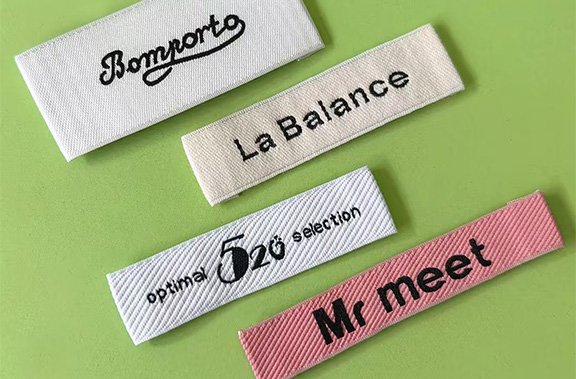
| Artwork and branding | Setup, physical proofs and custom label or trim development |
| Additional verification | Any agreed testing or specialist review quoted separately |
| Sample delivery | Each planned shipment and the stated exclusions |
These are questions for a quotation, not a list of charges that every project must incur. Mark an unresolved line as “not confirmed” instead of treating a blank cell as zero.
Keep open choices visible
A custom color, print or component can require a separate sourcing decision. Ask what must be purchased or approved to make the sample, and whether that choice creates any commitment beyond the sample itself.
If a temporary material is proposed, identify what that sample can demonstrate. For example, a substitute used to review shape should not silently become approval of the final color or finish. Record which decisions will need another review once the intended material is available.
Agree what happens when the brief changes
Distinguish a correction against the agreed brief from a new design request. A changed neckline, a different support system or a new print direction may alter the work required. Ask the supplier to explain any proposed extra charge before the next round begins.
Use one dated feedback record and identify the sample version. Before authorizing another round, confirm the requested changes, expected deliverables, price and delivery arrangements. This makes the revision budget traceable without assuming unlimited samples.
Track approvals as well as payments
For each line, record the quoted amount and currency, approval date, payment status and remaining open questions. Keep paid costs separate from estimates and from work you have not authorized.
You can divide confirmed development costs by a proposed production quantity for an internal planning calculation. Label it clearly: it is an allocation of development spending, not the supplier’s garment unit price. If the order quantity changes, that allocation changes too.
Set a decision point before bulk
Review what has been approved, what remains unresolved and what the next step requires. Confirm whether any development fee will be credited against production, under exactly what conditions, and where that agreement is recorded. Do not assume a credit or refund.
Once the product scope is stable, use the separate guide to comparing swimwear manufacturing quotes to check the production offer.
Send Joy Bikini your current design documents and open development questions so the sampling scope can be clarified before you commit.