
Designing children’s swimwear is no longer just about picking a cute print and a standard silhouette. Today’s parents are “professional researchers”—they scan labels for UPF ratings, feel for seam softness, and prioritize visibility as much as style.
If you want to create a line that doesn’t just sit on shelves but generates repeat customers and rave reviews, you must design for the two people who matter most: the child who wears it and the parent who buys it.
Here is your comprehensive guide to designing comfortable children’s swimwear that sells.
1. The Fabric Foundation: Beyond Basic Spandex
Comfort starts at the fiber level. In 2026, the standard for “comfortable” has moved toward tactile, high-performance materials that feel like a second skin.
The Rise of “Buttery Soft” Textures
Gone are the days of itchy, plastic-feeling polyester. The most successful brands in 2026 are using:
- Recycled Nylon (ECONYL®): Not only sustainable but famously softer and more flexible than virgin polyester.
- Ribbed and Terry Textures: These fabrics add a “vacation luxury” feel while providing natural stretch that doesn’t “pinch” the skin.
- Chlorine-Resistant Elastane: Ensure your fabric blend uses high-quality Lycra XTRA LIFE™ or similar. This prevents the “sagging” that happens after three trips to the pool, which is a major comfort (and aesthetic) dealbreaker.
Sensory-Friendly Fabrics
With rising awareness of sensory processing sensitivities, brands that market “sensory-friendly” swimwear are winning. This means using fabrics that are:
- Breathable and Quick-Dry: A wet, heavy swimsuit causes chills and skin irritation. Look for fabrics that shed water instantly.
- Hypoallergenic Linings: Use soft, fine-gauge mesh or silk-touch linings to prevent sand from getting trapped against the skin.
2. Engineering for Movement: The “No-Chafe” Guarantee
A child’s “job” is to play. If a swimsuit restricts their “cannonball” or chafes during a beach run, they won’t wear it again.
Seam Construction: The Flatlock Standard
In 2026, flatlock stitching is the industry standard for premium children’s wear. Unlike overlock seams, which create a raised ridge that rubs against the skin, flatlock seams lie completely flat.
- Pro Tip: Pay special attention to the underarms and inner thighs. These high-friction zones are where most “itouch” complaints originate.
The Death of the Tag
There is no place for a scratchy nylon tag in 2026. Heat-transfer labels or tagless construction are mandatory for comfort. If you must use a tag for legal reasons, ensure it is made of ultra-soft “satin” ribbon and placed in a non-contact area.
Strategic Elasticity
Elastic should be “encased” or “soft-backed.” Raw elastic edges around the legs or neck are the leading cause of red marks on toddlers. Use wide, soft elastic bands that distribute pressure rather than digging in.
3. The Parent’s Perspective: Design for Ease of Use
A swimsuit can be the most comfortable in the world, but if it takes ten minutes to get a squirming toddler into it, the parent will never buy that brand again.
The “Zipping” Revolution
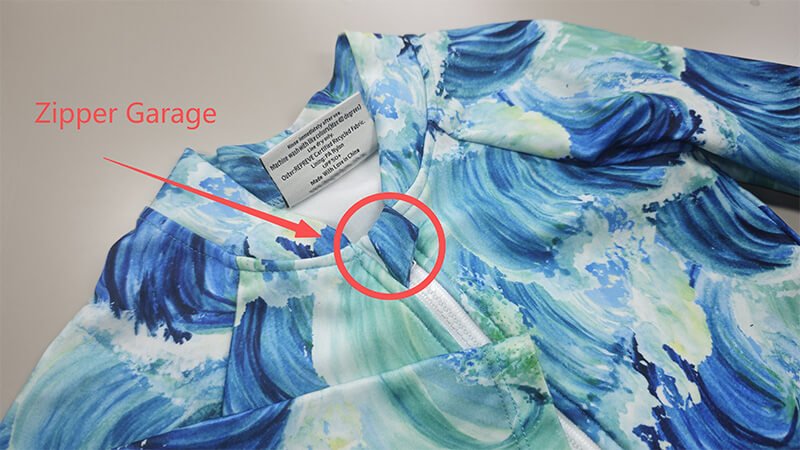
For infants and toddlers, full-length front zippers are the biggest selling point of 2026.
- The “Zipper Garage”: Always design a small fabric “pocket” at the top of the zipper (the neck). This prevents the metal or plastic teeth from pinching the child’s chin.
- Crotch Snaps: For sizes 0–3T, integrated snaps make diaper changes at the beach a 30-second task rather than a full-wardrobe crisis.
Adjustable “Grow-with-Me” Features
Parents love value. Incorporating adjustable straps, tie-waists, and fold-over cuffs allows the garment to last more than one growth spurt. This “comfort” is financial as much as it is physical.
4. Safety as a “Comfort” Feature: Visibility and UV
Psychological comfort for the parent is a massive driver of sales. If a parent feels their child is safe, they are “comfortable” with the purchase.
The Visibility Palette
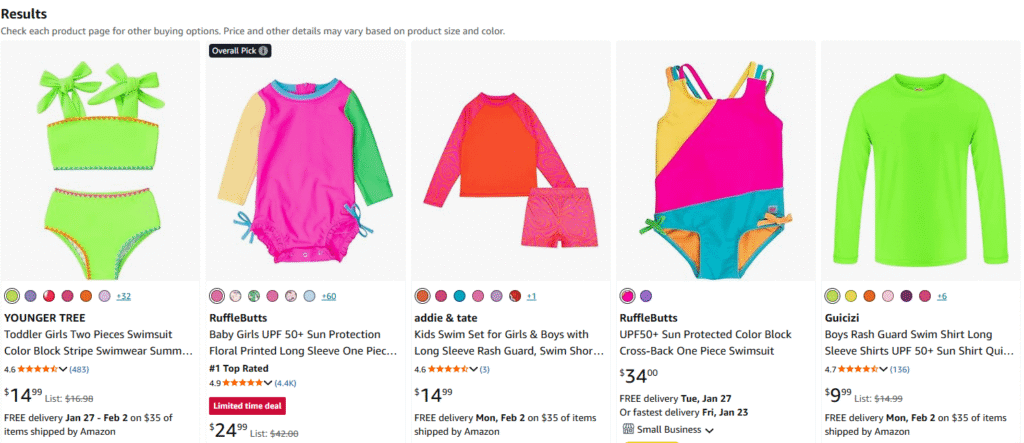
In 2026, the “Visibility Trend” has gone mainstream. Research shows that neon colors are the most visible underwater.
- High-Sell Colors: Neon Pink, Bright Orange, and “Electric” Lime.
- Design Choice: Avoid solid blues, greens, or whites for the main body of the suit, as these blend into pool and lake water. If you want a “muted” look, use a neon trim or a high-contrast pattern.
UPF 50+ Certification
Sunscreen is a battle; UPF 50+ clothing is the solution. In 2026, you aren’t just selling a swimsuit; you are selling “sun insurance.” Ensure your fabric is tested and clearly labeled with its UPF rating.
5. Aesthetic Trends 2026
To sell, the design must be “Instagrammable” but practical. Here is what is trending in 2026:
| Trend | Why it Sells | Design Tip |
| Retro Floral | Nostalgia for parents (70s/90s vibes). | Use oversized, bold petals in “Butter Yellow.” |
| Mini-Me Sets | Matching “Family” looks are a top search term. | Create a simplified version of adult prints. |
| 3D Appliqué | Adds a premium, “boutique” feel. | Use soft fabric “petals” or “fins” that don’t scratch. |
| Earth Tones | Muted “Aesthetic” looks for “lifestyle” photos. | Pair with neon accents to maintain safety visibility. |
6. Marketing Your Design
Once you’ve designed the perfect suit, you need to communicate that comfort to the buyer.
- Zoom-In on Details: Your product photography must show the flatlock seams and the soft lining.
- The “Stretch Test” Video: Use short-form video (Reels/TikTok) to show how the fabric moves and snaps back.
- Social Proof: Highlight reviews that specifically mention “no red marks” or “no complaints from my picky child.”
The Comfortable Design Checklist
Before sending your designs to the factory, ask yourself:
- Is it tagless?
- Does the zipper have a garage?
- Are the seams flat?
- Is the color visible underwater?
- Is the fabric certified UPF 50+?
Conclusion
Designing children’s swimwear in 2026 is an exercise in empathy. By understanding the sensory needs of the child and the practical frustrations of the parent, you can create a product that stands out in a crowded market. When comfort and safety are the foundation of your design, the “selling” part happens naturally.
If you are developing or upgrading a children’s swimwear collection, we can bring your designs to life using certified fabrics.