
A swimsuit may look simple, but it is one of the least forgiving garments to make. A small difference in fabric stretch, pattern shape or elastic tension can change how it fits, feels and performs in the water.
A design that looks perfect on screen may still become transparent when stretched, dig into the skin or shift during movement. Turning that design into a reliable finished product requires careful development at every stage.
So, what actually happens inside a swimwear factory before a collection is ready to ship? Let’s take a closer look.
The Production Process at a Glance
A typical swimwear manufacturing process includes:
- Design development
- Tech pack preparation
- Fabric and trim selection
- Pattern making
- Sample development
- Fit testing and revisions
- Size grading
- Pre-production approval
- Fabric inspection and cutting
- Printing and decoration
- Sewing and assembly
- Quality control
- Packaging and shipping
Some steps may overlap. For example, fabric sourcing can begin while the tech pack is being completed. However, bulk cutting should not begin until the final sample, measurements, materials and colors have been approved.
1. Developing the Design
Every swimsuit begins with a product idea. At this stage, the designer decides what the collection should look like and who will wear it.
Important decisions include:
- Product category
- Target customer
- Coverage level
- Bust support
- Colors and prints
- Size range
- Main selling price
- Expected order quantity
A good design also needs to be practical.
A narrow strap may look attractive in a sketch but may not provide enough support for a larger cup size. A deep-cut neckline may require additional elastic or hidden structure to keep it in place. Heavy metal hardware may also pull on lightweight fabric.
These issues should be considered before sampling. Solving them early is usually faster and less expensive than changing the construction after several samples have already been made.
2. Preparing the Tech Pack
The tech pack turns the design idea into clear production instructions.
It usually contains:
- Front and back technical drawings
- Construction details
- Measurement specifications
- Fabric and lining requirements
- Color references
- Print artwork
- Cups, underwire and hardware
- Label and logo placement
- Packaging requirements
The more specific the tech pack is, the easier it is for the pattern maker and sample room to understand the design.
The tech pack can still be adjusted during development. However, it should provide a clear starting point rather than leaving important decisions to the sample maker.
3. Choosing Fabrics and Trims
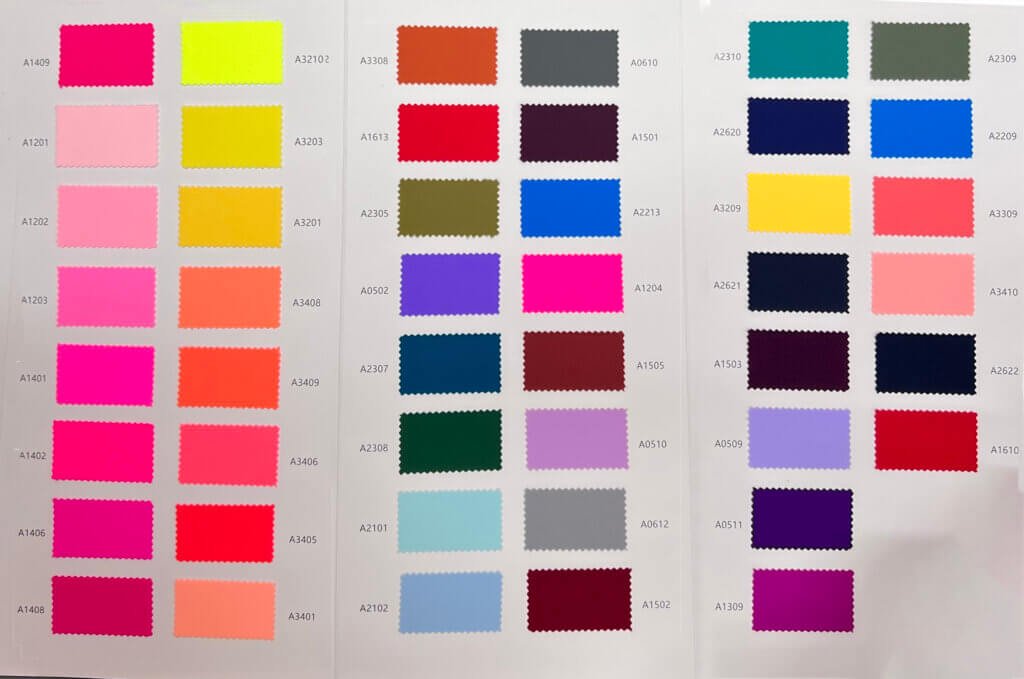
Swimwear materials must stretch, recover and remain stable when wet. They also need to work with the intended construction and level of support.
Main Fabric
Common swimwear fabrics include nylon-spandex and polyester-spandex blends.
Nylon blends usually have a soft hand feel and smooth appearance. Polyester blends are often selected for printed or chlorine-resistant swimwear. The right choice depends on the product, finish and intended use.
Two fabrics with the same fiber composition may behave differently. A heavier fabric with strong recovery can create more compression, while a lightweight fabric may feel softer but provide less support.
Lining
Lining improves coverage, comfort and stability. It is particularly important for white, light-colored and highly stretched swimwear.
Depending on the design, a swimsuit may be fully lined, partially lined or reinforced only in specific areas. Supportive styles may also use power mesh around the bust or waist.
Trims
Other materials may include:
- Swimwear elastic
- Removable or fixed cups
- Underwire
- Rings and sliders
- Back clasps
- Zippers
- Metal logo plates
- Heat-transfer logos
- Care labels
- Hangtags
All trims should be suitable for water exposure. Metal components also need finishes that resist corrosion, discoloration and heat during production.
4. Making the Pattern
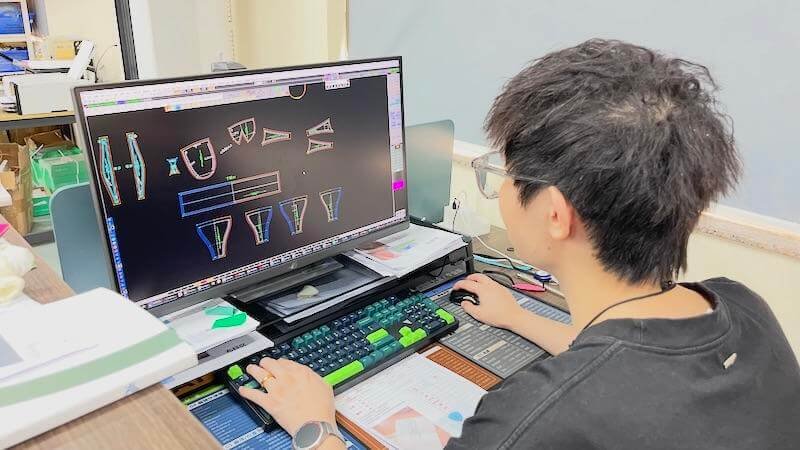
The pattern maker converts the technical drawing and measurements into garment pieces.
Swimwear patterns are not developed in the same way as loose-fitting garments. Most styles use negative ease, which means the finished garment is smaller than the body measurement. The fabric stretches to fit the body.
The correct amount of negative ease depends on the fabric.
If the pattern is too small, the swimsuit may feel restrictive, dig into the body or become transparent when stretched. If it is too large, it may move in the water, lose support or develop loose edges.
5. Sample Development
Once the pattern is ready, the sample room produces the first sample. This turns the technical drawings and pattern pieces into a real garment that can be reviewed.
The first sample is used to check the overall shape, construction and material combination. It does not need to be perfect, but it should reveal any obvious design or production problems.
6. Fit Testing and Sample Revisions
The sample is tested on a fit model to check coverage, support, strap position and comfort. The wearer should also move naturally to see whether the swimsuit stays in place.
Any problems should be recorded with clear measurements, photos and comments. The pattern is then updated, and another sample is made if necessary.
Once the base-size fit and production fabric are approved, the design can move to size grading.
7. Size Grading
Size grading develops the approved base pattern into the full size range. The pattern is adjusted at specific points rather than enlarged or reduced by the same percentage everywhere.
Bust, waist, hips, rise and torso length usually follow different grading rules. Larger sizes may also need wider straps, stronger elastic or additional bust support.
8. Pre-Production Approval
Before bulk production, the final measurements, fabric, colors, prints, hardware, labels and packaging must be confirmed.
A pre-production sample may be made using the actual bulk materials. This becomes the main reference for the production team and quality inspectors.
Major changes should be completed before cutting begins. Changing the fabric or construction after this point can increase costs and delay delivery.
9. Fabric Inspection and Cutting
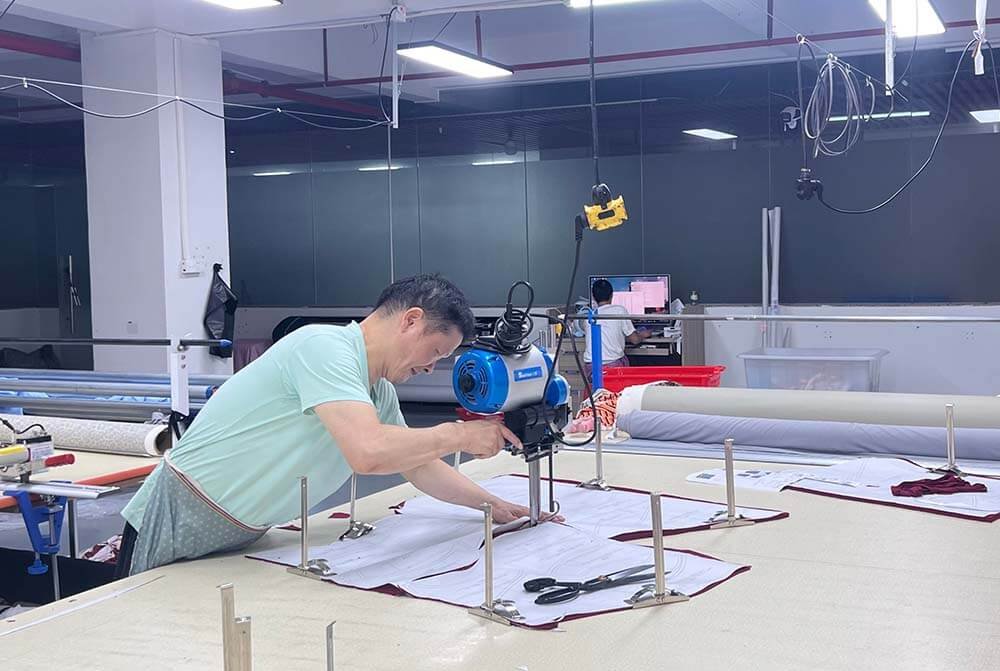
Bulk fabric is inspected for color differences, stains, holes, print faults and other visible defects. Fabric from different dye lots may also need to be separated to prevent shade variation within the same garment.
The approved patterns are arranged to reduce fabric waste and then cut in bulk. The stretch direction must remain consistent across every panel.
Striped, checked and placement-printed styles need additional control so that the artwork is centered, balanced and aligned correctly.
10. Printing and Decoration
The printing stage depends on the fabric and artwork. All-over printed fabric is generally printed before cutting, while placement prints require more precise positioning on each garment panel.
Common options include sublimation, digital printing, and heat-transfer logos. Sublimation is mainly used with polyester-based fabrics because it creates a clear print without adding a heavy surface layer.
Print scale and color should be approved before bulk production.
11. Sewing and Assembly
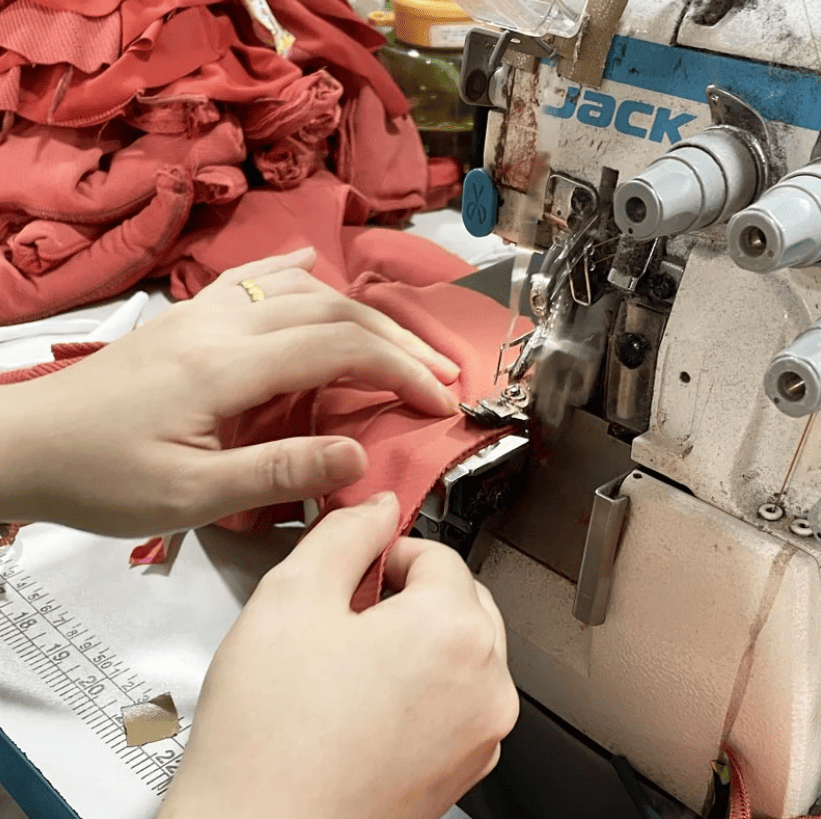
The cut panels are sent to the sewing line, where the main fabric, lining, elastic, cups, straps and hardware are assembled.
Swimwear sewing requires careful tension control. If the elastic is pulled too much, the garment can feel tight or develop wavy edges. If it is not stretched enough, the neckline or leg openings may become loose.
The stitch must stretch with the fabric without breaking. Different areas may use overlock, zigzag, coverstitch or other stretch-compatible constructions.
12. Quality Control
Quality control should take place during sewing as well as after production. Checking garments during assembly allows repeated problems to be corrected before they affect the entire order.
Final inspection normally checks:
- Garment measurements
- Stitch quality
- Elastic tension
- Left and right symmetry
- Cup and underwire position
- Strap adjustment
- Hardware attachment
- Print placement
- Labels and logos
- Stains and damage
- Packaging information
Because stretch fabrics can move during sewing, small measurement differences are normal. The accepted tolerances should therefore be agreed upon before production.
13. Packaging and Shipping
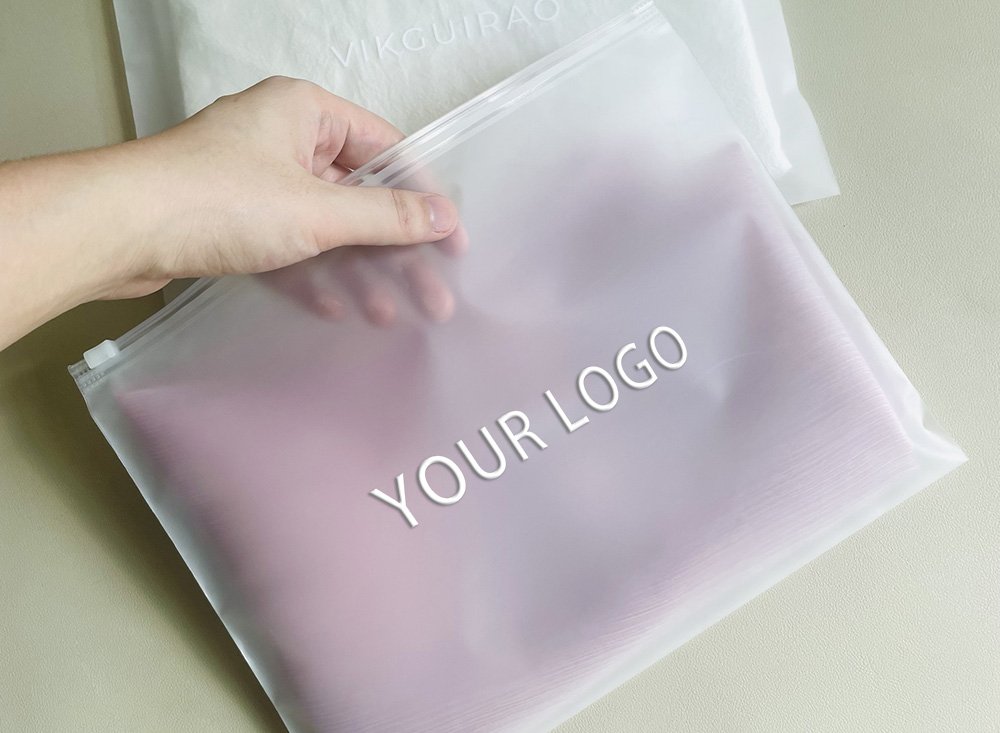
After inspection, the finished swimwear is prepared for packing. Hangtags, size stickers, barcodes and individual bags are added according to the order requirements.
Bikini tops and bottoms may be packed together or separately, depending on how they will be sold. Carton quantities and shipping marks are checked against the final packing list.
The shipment can then be arranged by courier, air freight, sea freight or another agreed method.
How Long Does Swimwear Production Take?
The timeline depends on the number of styles, fabric availability, printing method, sample revisions and order quantity.
| Production Stage | Typical Time |
|---|---|
| Material selection | 3–7 days |
| First sample | 7–15 days |
| Sample revision | 7–10 days per round |
| Pre-production preparation | 3–7 days |
| Bulk production | Around 4–5 weeks |
| Final inspection and packing | 2–5 days |
Custom fabric, specially developed hardware or complicated printing can require additional time.
Fast approval also matters. If colors, samples or labels are confirmed late, the production schedule will usually move with them.
What Can Delay Production?
Incomplete tech packs and unclear measurements are common causes of early delays. The factory may need to stop development and request missing information before the pattern can be completed.技
Slow sample feedback can also extend the schedule. Sending one complete set of comments is more efficient than sending small changes across multiple messages.
Late changes to fabric, prints, hardware or packaging are more serious. These materials may already have been ordered or prepared for production.
Ready to Start Your Swimwear Production?
Turning a swimwear design into a reliable finished product requires the right fabric, accurate patterns and careful control from sampling to bulk production.
Whether you already have a complete tech pack or are still working with sketches and reference images, our team can help you review the design, select suitable materials and prepare it for production.
Send us your design details, target quantity and size range to get started. Contact us today to discuss your swimwear project and request a sample.