
Swimwear lining is hidden inside the garment, but it has a noticeable effect on how the swimsuit looks, feels, and performs. The right lining improves coverage, supports the body, and creates a smoother finish. The wrong one can make a swimsuit feel heavy, restrict its stretch, or become transparent when wet.
There is no single lining that works for every swimsuit. The best choice depends on the outer fabric, garment color, intended use, and level of support required.
Why Swimwear Lining Matters?
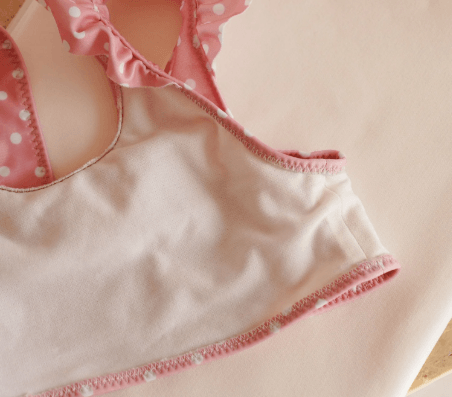
The first purpose of swimwear lining is coverage. Some outer fabrics look opaque when dry but become more transparent when wet or stretched across the body. This is especially common with white, pastel, and other light-colored swimwear.
Lining also improves comfort by covering internal seams, padding openings, and other construction details. In more supportive styles, it can help stabilize the bust, smooth the front body, or add gentle compression.。
However, thicker lining does not always mean better quality. If the lining is too heavy or firm for the outer fabric, it can restrict movement, slow drying, and change the intended fit. Good lining should support the design without making the swimsuit feel bulky.
Common Types of Swimwear Lining
Swimwear lining is usually made from stretch fabric so it can move with the outer material. The following options are commonly used in swimwear production.
| Lining type | Main features | Common applications |
|---|---|---|
| Polyester-spandex | Stable, durable, and generally more chlorine-resistant | Pool swimwear and everyday styles |
| Nylon-spandex | Soft, smooth, and flexible柔 | Fashion bikinis and comfortable one-pieces |
| Recycled lining | Made with recycled nylon or polyester fibers | Sustainable swimwear collections |
| Power mesh | Firmer stretch with stronger support | Shaping panels and supportive styles |
Polyester-Spandex Lining
Polyester-spandex lining offers good shape retention and durability. It is often selected for swimsuits intended for regular pool use because polyester generally performs well against chlorine.
Its hand feel may be slightly firmer than nylon lining, depending on the fabric construction and weight. For this reason, the exact lining should be assessed together with the outer fabric instead of being chosen by fiber composition alone.
Nylon-Spandex Lining
Nylon-spandex lining usually has a softer and smoother feel against the skin. Its flexibility makes it suitable for fashion bikinis, fitted one-piece swimsuits, and designs that prioritize comfort.
However, chlorine resistance can vary between different nylon blends. If the swimsuit is designed for frequent swimming rather than occasional beach use, durability should also be considered.
Recycled Swimwear Lining
Recycled lining is commonly made from recycled nylon or recycled polyester blended with elastane. It can provide a similar appearance and stretch to conventional lining while supporting a collection’s sustainability goals.
Using recycled fiber does not automatically guarantee better performance. The lining still needs suitable recovery, colorfastness, weight, and durability for the intended swimsuit.
Power Mesh
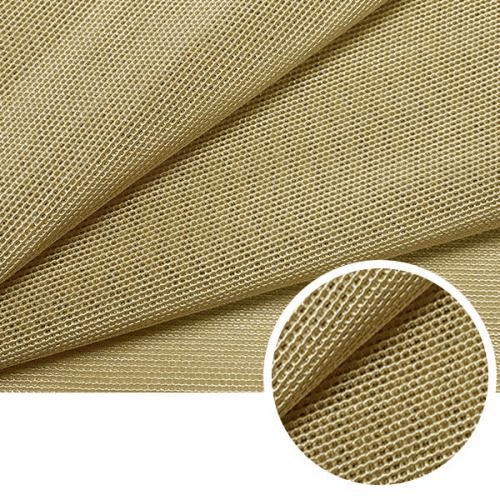
Power mesh is firmer and more supportive than standard swimwear lining. It is often used in tummy-control swimsuits, plus-size styles, underbust panels, and other areas that require additional stability.
It does not always need to cover the entire garment. In many designs, power mesh is added only to the front body, side panels, or bust area. This provides targeted support without making the whole swimsuit feel too tight.
How to Choose the Right Swimwear Lining
Choosing lining should be part of the overall garment design rather than a final decision made after selecting the outer fabric.
Match the Stretch of the Outer Fabric
The lining should stretch comfortably in the same directions as the outer fabric. If a four-way stretch outer fabric is combined with a lining that has limited stretch, the finished swimsuit may feel smaller than expected.
A mismatch can also cause pulling, wrinkles, or distorted seams. Even when both fabrics feel stretchy on their own, they may behave differently when sewn together.
Recovery is equally important. The lining should return close to its original shape after stretching. A lining with poor recovery can become loose inside the garment and create bagging over time.
Consider Color and Coverage
Light-colored swimwear usually requires more careful lining selection. White, cream, pastel pink, yellow, and pale printed fabrics may become transparent when wet, particularly when stretched.
A white swimsuit does not always need a bright white lining. In some cases, a soft nude or carefully matched off-white lining creates more natural coverage. The correct choice depends on the opacity and undertone of the outer fabric.。
Dark fabrics are usually easier to line, but the lining color should still be considered. A very light lining may become visible at leg openings or seam edges, while a mismatched dark lining can affect the appearance of thin outer materials.
Decide How Much Support Is Needed
A fashion bikini and a shaping one-piece should not use the same lining construction.
For soft triangle tops and adjustable bikinis, a lightweight lining usually provides enough coverage without reducing flexibility. Bustier tops, larger cup sizes, and structured one-pieces may need firmer lining around the underbust or side panels
For tummy-control styles, power mesh can be placed behind the front panel to create a smoother appearance. Using it only where support is needed helps maintain comfort and prevents the garment from feeling overly restrictive.对
It is also important to remember that lining cannot replace proper garment construction. Strong support may still require underbust elastic, molded cups, underwire, wider straps, or reinforced seams.
Think About How the Swimwear Will Be Used
The intended use of the swimsuit should guide the lining choice.
- Fashion swimwear for holidays and resort collections often prioritizes softness, flexibility, and a smooth hand feel. S
- wimwear designed for regular pool use needs better resistance to chlorine and repeated washing.
- Surf and active swimwear require reliable recovery so the garment remains stable during movement.
A swimsuit created mainly for sunbathing may use a lighter lining than one intended for swimming, training, or water sports. Selecting lining according to the end use helps balance comfort with durability.
Does Every Swimsuit Need Full Lining?
No. Some swimsuits are fully lined, while others only need lining in selected areas.
Light-colored swimsuits are often fully lined to provide consistent coverage. Full lining can also give premium bikinis and one-piece swimsuits a cleaner interior and a more substantial feel.
Dark styles made from opaque fabric may only need front lining, bust lining, or a lined gusset. This keeps the garment lighter and can reduce drying time.
Another option is self-lining, where the outer fabric is also used on the inside. It creates consistent color and stretch, but it can make the garment thicker and increase fabric consumption. Self-lining works best when the outer material is soft enough to sit comfortably against the skin.
The decision between full and partial lining should be based on the garment, not applied as one standard rule across an entire collection.
What to Avoid
One common mistake is assuming that thicker lining always means better quality. Excessive thickness can create bulky seams, increase water weight, and reduce the flexibility of smaller bikini styles.
Another is selecting the lining only by color or fiber composition. A visually matching fabric may still be too firm or too heavy for the outer material.
Final Thoughts
Choosing swimwear lining is about finding the right balance between coverage, comfort, support, and garment weight. The best option should complement the outer fabric and suit the way the swimsuit will be worn.
At Joy Bikini, we help customers choose suitable outer fabrics, linings, and support materials during product development. If you are planning a new bikini or one-piece collection, contact us to discuss fabric sourcing, sampling, and custom swimwear production.