
In today’s competitive swimwear market, longevity is synonymous with brand credibility. Chlorine-resistant swimwear not only reflects engineering excellence but also demonstrates a brand’s respect for its customers’ investment. Achieving that durability, however, is not a matter of chance—it begins with science and craftsmanship.
The key lies in thoughtful fabric selection, advanced fiber treatments, and careful construction. Manufacturers can significantly improve a swimsuit’s resistance to chlorine by using performance fibers like PBT, polyester blends, and engineered elastane alternatives such as CREORA® Highclo™ or LYCRA® Xtra Life™. Combined with high-density knitting, proper finishing techniques, and post-swim care guidance, these materials allow swimwear to maintain its stretch, color, and quality far longer than conventional options.
Chlorine is both the guardian and the enemy of swimwear—it keeps pools clean but gradually weakens traditional fibers. For brands, understanding how to fight that invisible degradation means building collections that not only look beautiful but endure the demands of frequent swimming.
Understanding Chlorine Damage
Chlorine attacks the very structure of swimwear fibers. Over time, it oxidizes the elastane (spandex) filaments responsible for elasticity, causing them to break down. This results in sagging fits, faded hues, and loss of resilience. For brands, the impact is more than visual—it diminishes customer trust and shortens product lifespan.
Most traditional nylon-spandex fabrics offer comfort and shine, yet they quickly lose shape when repeatedly exposed to chlorinated water. To combat this, professional swimwear designers must rethink materials from the fiber up, focusing on chemistry and construction rather than aesthetics alone.
Choosing the Right Chlorine-Resistant Fabrics
PBT (Polybutylene Terephthalate)
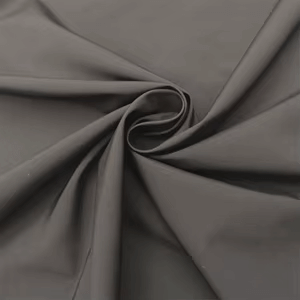
Among synthetic fibers, PBT is renowned for its exceptional chlorine resistance. Unlike standard elastane, PBT does not rely on polyurethane bonds, which chlorine readily oxidizes. It retains both color and structure even after months of pool exposure.
PBT’s lower stretch compared to elastane makes it ideal for competitive and training swimwear, where performance and durability outweigh ultra-tight fashion fits. Its soft hand feel, quick drying, and matte finish also make it increasingly popular in high-end collections seeking both function and refinement.
Polyester Blends
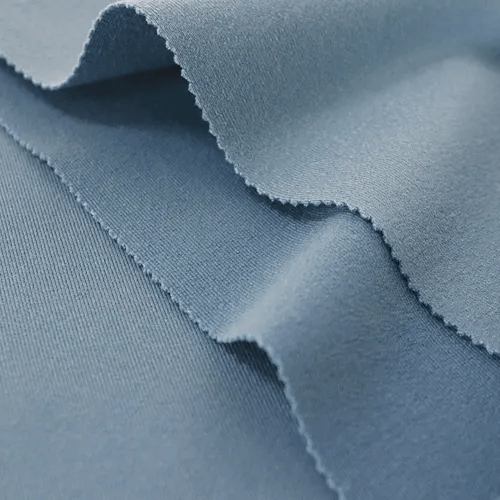
Polyester is inherently resistant to chlorine and UV light. When blended with a small amount of stretch fiber, it achieves a balance between flexibility and endurance. For brands designing swimwear collections intended for resorts, schools, or fitness programs, polyester blends deliver longevity and color stability that outperform standard nylon options.
Solution-dyed polyester—where pigment is infused during fiber extrusion rather than surface dyeing—offers even greater colorfastness, preventing premature fading.
Advanced Elastane Alternatives
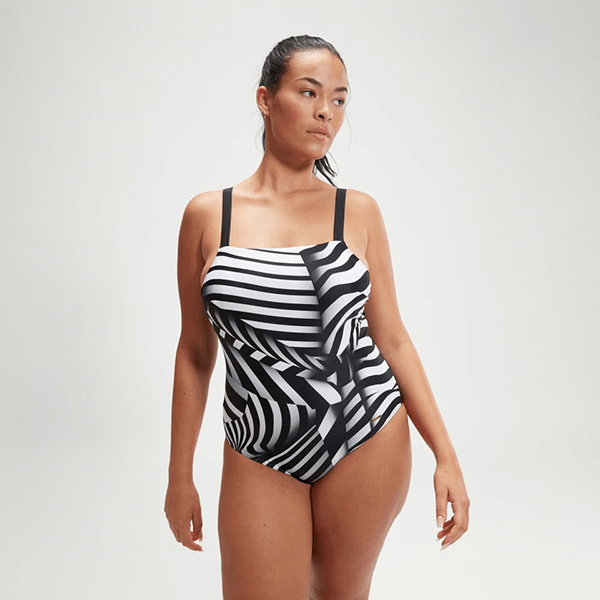
Elastane (spandex) provides the body-hugging comfort that defines modern swimwear, yet it is highly vulnerable to chlorine. The solution is to choose engineered chlorine-resistant elastanes such as CREORA® Highclo™ or LYCRA® Xtra Life™.
These advanced fibers feature modified chemical structures that resist chlorine degradation, allowing swimsuits to retain elasticity 5 to 10 times longer than traditional spandex. They are particularly suited for premium fashion swimwear, where designers want to preserve both silhouette and comfort through repeated pool use.
Recycled Variants with Performance Treatment
Sustainability and durability can coexist. Recycled polyester (rPET) and recycled nylon (such as ECONYL®) can be treated with chlorine-resistant coatings or blended with high-performance fibers to achieve resilience.
This allows brands to offer eco-friendly swimwear that still meets the rigorous standards of poolside performance.
Manufacturing Techniques that Boost Chlorine Resistance
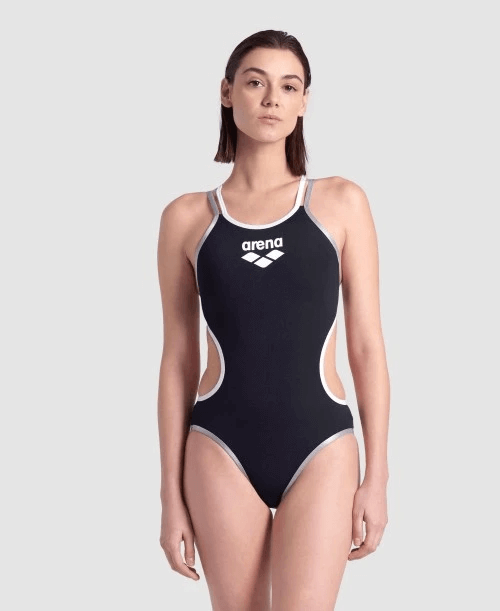
Dense Knitting and Double Lining
Fabric construction is as important as fiber choice. High-density knitting minimizes water penetration and fiber exposure, while double lining adds structural integrity and prevents deformation. Both methods help fabrics retain compression and opacity even after repeated wear.
Heat Setting and Finishing
During production, precise heat-setting stabilizes fiber molecular chains, reducing the micro-openings where chlorine can penetrate. Finishing processes such as anti-chlorine resin coatings or silicone treatments create an additional barrier that extends fabric lifespan without altering its hand feel.
Solution-Dyed and Dope-Dyed Yarns
Using solution-dyed yarns ensures that pigment permeates the entire fiber, not just the surface. This dramatically enhances color retention and prevents the “washed-out” look caused by chlorine exposure. It also reduces water and chemical usage during dyeing—an added sustainability benefit.
Design and Construction Considerations
Even the most advanced fabric can fail if construction details are overlooked.
- Threads and Seams: Opt for chlorine-resistant polyester threads instead of standard nylon, which weakens over time. Flatlock stitching minimizes water absorption and friction.
- Elastic Bands: Use high-quality, chlorine-proof elastics that maintain tension after extended pool use.
- Hardware and Prints: Replace metal accessories with coated alternatives and choose sublimation printing or heat-transfer methods designed for chlorine environments.
- Lining Fabrics: Pair outer performance fabrics with equally durable linings to maintain shape consistency.
Such careful craftsmanship reinforces the technical and visual longevity of each piece—ensuring that your swimwear feels as refined after the hundredth swim as it did on the first.
Care and Maintenance Recommendations for End Users
While chlorine-resistant fabrics extend lifespan, proper care remains crucial. Educating customers helps protect your brand reputation.
- Rinse Immediately: After each swim, rinse swimwear in cool, non-chlorinated water to neutralize chemical residues.
- Gentle Wash: Use mild detergent and avoid fabric softeners, which break down fibers.
- Air Dry: Never tumble dry; instead, lay flat in shade to preserve elasticity and color.
- Avoid Rough Surfaces: Chlorine-resistant doesn’t mean snag-proof—avoid pool edges or abrasive textures.
Providing these guidelines on hangtags or brand websites builds customer trust and ensures garments deliver on their promise of durability.
Conclusion
The path to chlorine-resistant swimwear begins long before the fabric touches water—it starts in fiber selection, thoughtful engineering, and meticulous craftsmanship. Using PBT, polyester blends, or specialized elastanes like CREORA® Highclo™ and LYCRA® Xtra Life™, combined with dense knitting and precise finishing, enables designers to create swimwear that stands the test of both time and chlorine.
At Joy Bikini, we specialize in helping brands develop custom chlorine-resistant swimwear collections, offering professional guidance from material sourcing to production. Our team ensures every piece meets the highest standards of durability, fit, and elegance.
FAQ
What is the best chlorine-resistant material?
The most effective chlorine-resistant materials include PBT (polybutylene terephthalate), solution-dyed polyester blends, and specialized elastane fibers such as CREORA® Highclo™ and LYCRA® Xtra Life™. These materials resist chlorine’s oxidative effects and maintain stretch and color even with frequent pool exposure.
Is chlorine-resistant swimwear worth it?
Yes. For brands and consumers alike, chlorine-resistant swimwear delivers long-term value. It maintains shape, color, and elasticity after dozens of pool sessions, reducing product returns and reinforcing the brand’s quality reputation.
How long should a chlorine-resistant swimsuit last?
A well-constructed chlorine-resistant swimsuit can last five to ten times longer than regular nylon-spandex swimwear. With proper care—rinsing after use, avoiding tumble drying, and storing away from direct sunlight—these garments can retain their fit and finish for over 6 to 12 months of regular swimming.