
Men’s swimwear looks simple until you’re trying to pick the right pair for your body, your activity, and your comfort level. The best style depends on what you’ll be doing in the water, how much coverage you want, and whether you prefer a loose short or a close fit.
Below are 10 common types of men’s swimwear, with quick fit and fabric notes for each. If you’re shopping for yourself, you’ll be able to narrow down a style fast. If you’re building a men’s swim line, this doubles as a simple product planning guide.
Quick cheat sheet
- Best all-around: swim trunks (5 to 7 inch inseam)
- Best for surfing: boardshorts
- Best for lap swimming: jammers
- Most minimal: swim briefs
- Clean fitted look: square-leg shorts or swim boxer briefs
- Best for travel: volley shorts or hybrid shorts
- Best support: compression-lined trunks or swim boxer briefs
- Most sun coverage: swim leggings and other sun-protection bottoms
1) Swim trunks
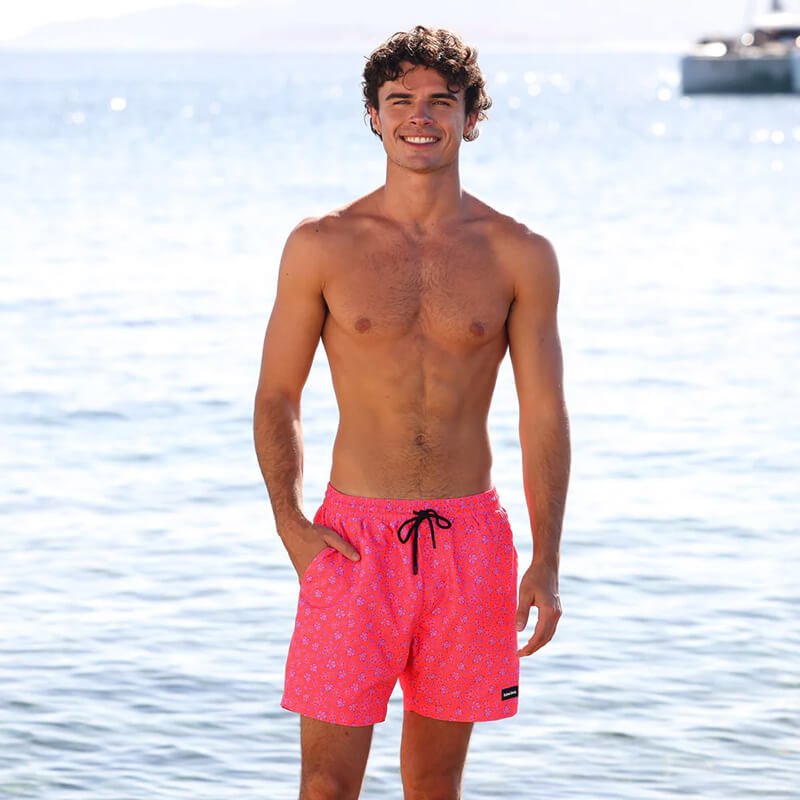
WWhat it is: The everyday go-to. Usually a quick-dry woven short with a drawstring waistband, pockets, and a liner.
Best for: Beach days, hotel pools, vacations, casual swimming.
Pros
- Versatile and easy to wear
- Available in many lengths and fits
- Typically dries quickly
Cons
- Some mesh liners can feel scratchy
- Cheaper fabrics can cling or balloon when wet
Fit tip: If you’re unsure, start with a 5 to 7 inch inseam and a leg opening that isn’t overly baggy.
Fabric tip: Look for lightweight woven fabric with a softer hand feel. If you dislike mesh, choose a compression liner.
Brand note: For brands: trunks are often your volume style. Offer 2 to 3 inseams (for example 5, 7, and 9) and make the liner choice a clear feature.
2) Boardshorts
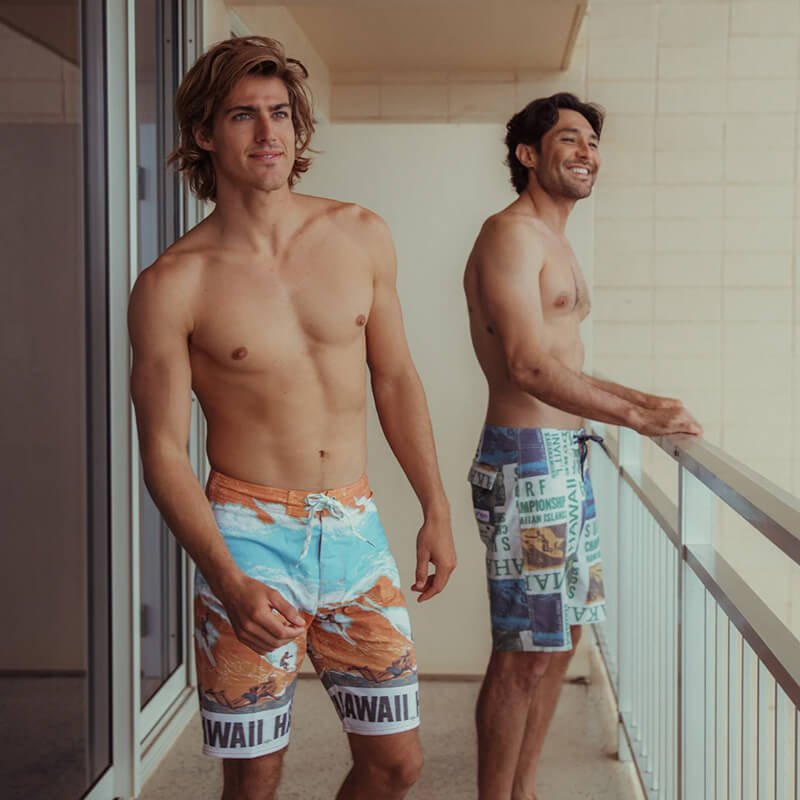
WWhat it is: Longer, surf-inspired shorts built for movement. Traditionally unlined, often with a fly or closure.
Best for: Surfing, paddleboarding, beach sports, and anyone who wants more coverage.
Pros
- Great range of motion, especially with 4-way stretch
- Longer length can help reduce board rash
- Classic surf aesthetic
Cons
- Heavier fabrics can feel waterlogged
- Pocket and drainage design matter, or they can balloon in the water
Fit tip: Boardshorts should sit securely on your waist. If they slide, size down or choose a better waistband and closure setup.
Fabric tip: For surf performance, stretch woven fabric is the upgrade most people notice immediately.
Brand note: For brands: details sell this category. Drainage, seam reinforcement, and comfortable closures separate an okay pair from a favorite.
3) Volley shorts
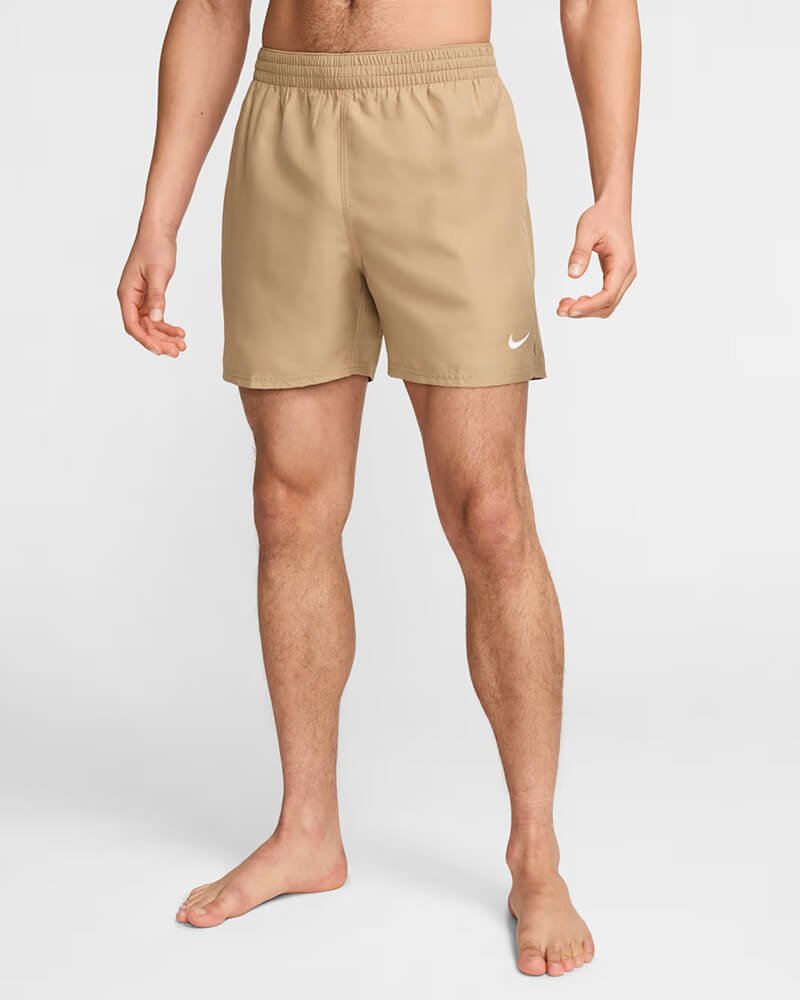
What it is: A lighter, often shorter take on trunks with a more athletic silhouette.
Best for: Active beach days, travel, and guys who like a shorter look.
Pros
- Lightweight and comfortable
- Modern, shorter silhouette
- Easy to pack
Cons
- Short lengths are not everyone’s style
- Can ride up if tight through the thighs
Fit tip: If you lift or have bigger thighs, look for a slightly wider leg opening or a bit of stretch in the fabric.
Fabric tip: Lightweight woven with a smooth finish helps them dry fast and feel less stiff.
Brand note: For brands: volley shorts photograph well online because the fit reads clearly in product photos.
4) Swim briefs
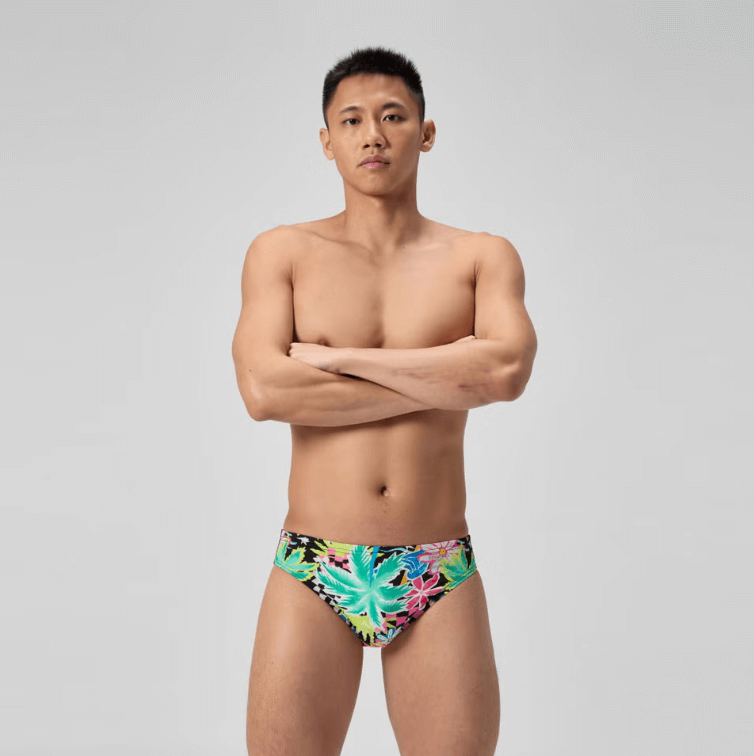
What it is: Minimal coverage with maximum freedom of movement (classic “Speedo-style” cut).
Best for: Lap swimming, tanning, and swimmers who prefer less fabric.
Pros
- Best freedom of movement
- Low drag in the water
- Dries quickly
Cons
- Least coverage, so not everyone feels comfortable
- Fit must be right or they can shift
Fit tip: A good brief feels snug on dry land and secure in the water without cutting into the hips.
Fabric tip: For frequent pool use, pick chlorine-resistant fabric so the suit keeps its shape longer.
Brand note: For brands: waistband elastic quality and front lining make the biggest difference in perceived quality.
5) Square-leg swim shorts
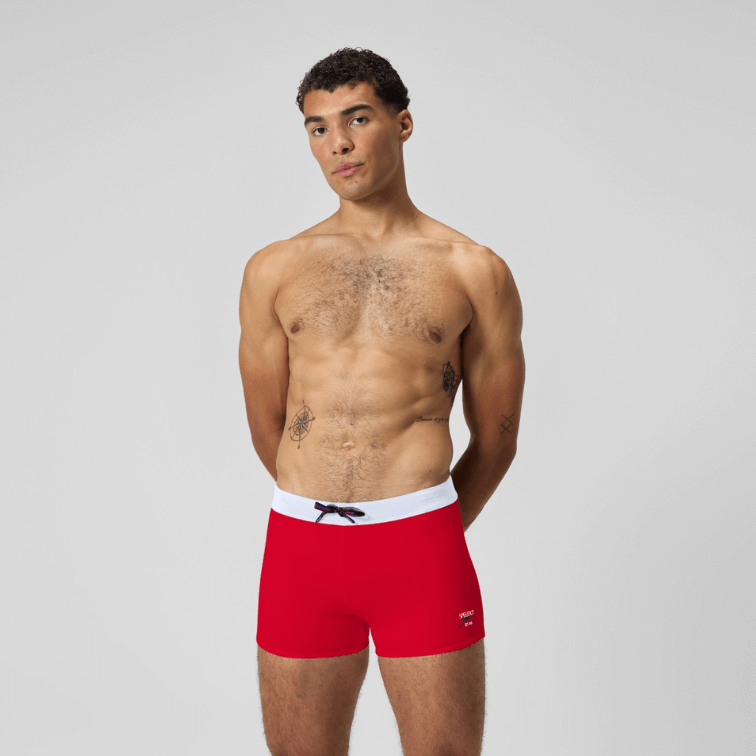
What it is: A fitted cut that sits between briefs and trunks, with more coverage than a brief but a streamlined look.
Best for: Swimming, resort pools, and anyone who wants a fitted style without going fully brief.
Pros
- Clean, modern silhouette
- Less drag than loose shorts
- Often feels more wearable than briefs for beginners
Cons
- Can ride up if fabric recovery is poor
- Sizing is less forgiving than trunks
Fit tip: If you’re between sizes, choose based on thigh comfort first. Too tight usually means constant riding up.
Fabric tip: Prioritize stretch and recovery. It should snap back after stretching.
Brand note: For brands: this is a strong premium-feel style. Better fabric and stitching show immediately.
6) Jammers
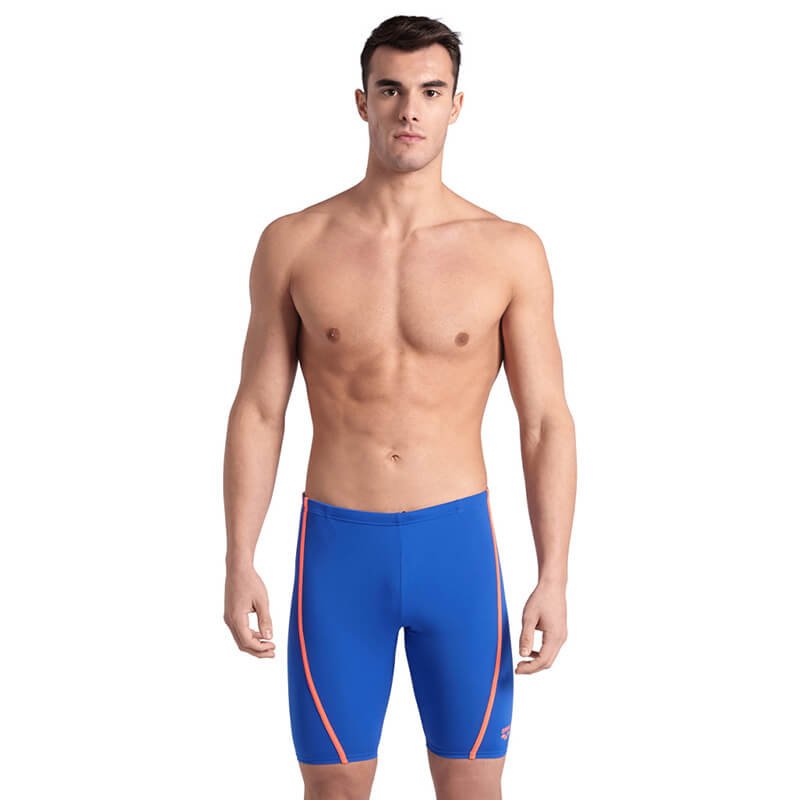
What it is: Tight, knee-length performance swimwear designed for training and lap swimming.
Best for: Lap swimmers, swim training, and triathlon training.
Pros
- Streamlined in the water
- Good compression and support
- Less drag than trunks
Cons
- Not a casual beach style
- Needs the right fabric to avoid bagging over time
Fit tip: They should feel compressive but not restrictive. If you can’t comfortably bend your knee, they’re too tight.
Fabric tip: If you swim in chlorinated pools often, choose chlorine-resistant blends.
Brand note: For brands: highlight flatlock seams, lining choices, and how compression is graded across sizes.
7) Swim boxer briefs
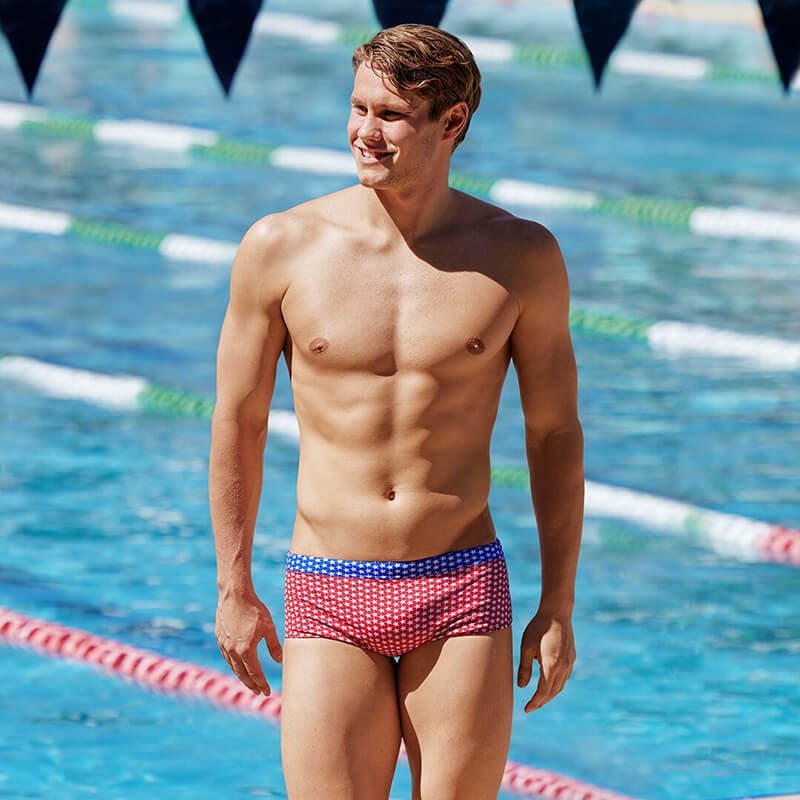
What it is: Fitted like boxer briefs, usually shorter than jammers, and often positioned as a comfort-plus-support option.
Best for: Beach sports, casual swimming, and anyone who wants support and less chafing.
Pros
- Supportive and helps reduce chafing
- Modern fitted look
- Comfortable under rash guards or tees
Cons
- Can feel warm if the fabric is heavy
- Needs good construction to prevent waistband or leg rolling
Fit tip: Look for a waistband that stays flat and leg openings that don’t pinch.
Fabric tip: Smooth stretch knits tend to feel best on skin and move well.
Brand note: For brands: these can be a great upsell if your trunks already use compression liners. Customers often like the same feel in a more fitted cut.
8) Drag suits
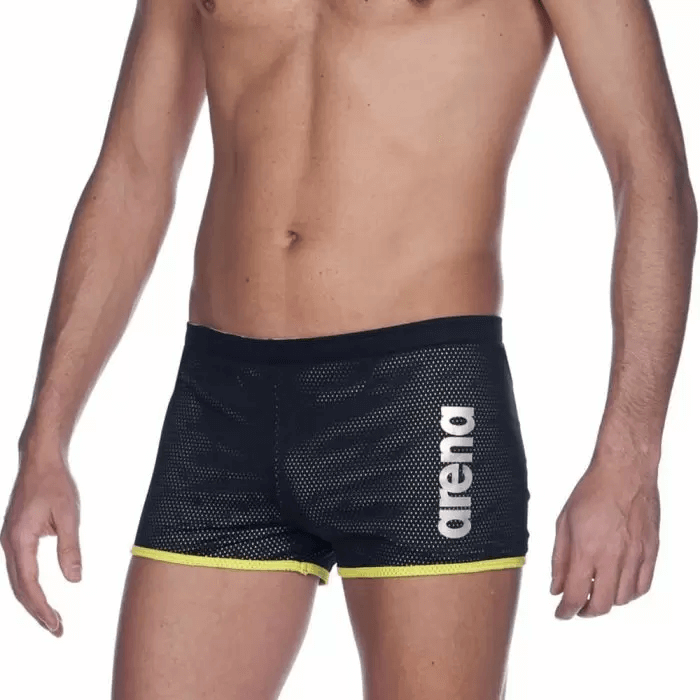
What it is: Loose, durable training suits worn over briefs or jammers to create resistance.
Best for: Swim training and competitive swimmers building strength.
Pros
- Durable, long-lasting category
- Adds resistance without special equipment
- Loyal repeat-purchase audience
Cons
- Not a casual option
- Feel is utilitarian by design
Fit tip: They should be snug enough to stay on, but loose enough to catch water.
Fabric tip: Durability matters more than softness here.
Brand note: For brands: focus your messaging on function and fabric toughness, not fashion.
9) Hybrid shorts
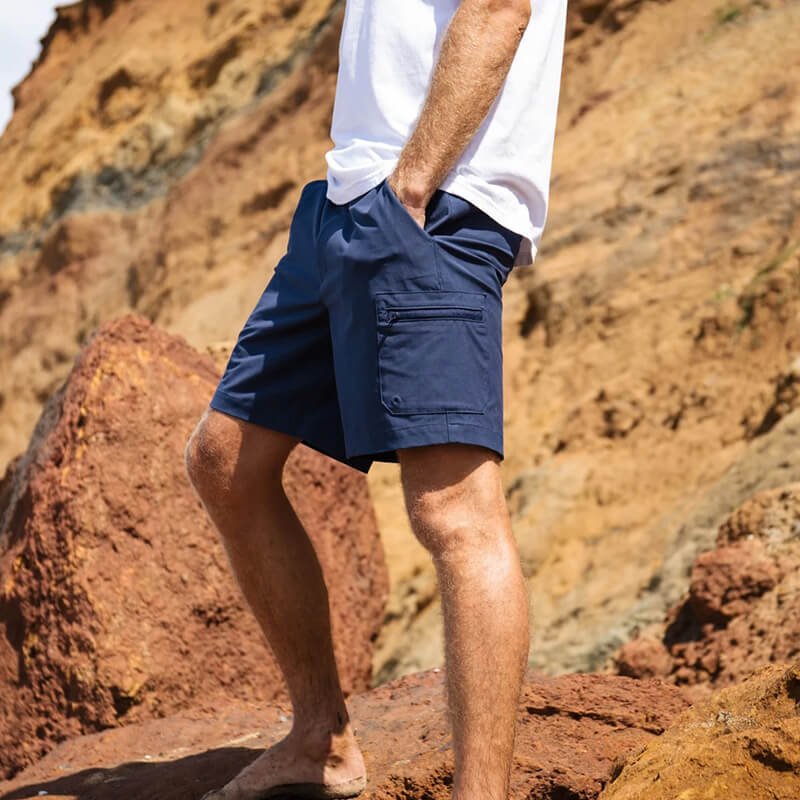
What it is: Shorts that look like casual wear but can be swum in, often marketed as “beach-to-street.”
Best for: Travel, one-pair packing, and city-to-beach days.
Pros
- Versatile, can wear beyond the pool
- Often looks more structured and clean
- Great for vacations
Cons
- May dry slower if fabric is thick
- Pocket design matters, water retention is real
Fit tip: If you want them to work as everyday shorts, check that the rise and waistband feel good all day, not just in water.
Fabric tip: Look for quick-dry finishes and pockets with drainage.
Brand note: For brands: hybrids sell on lifestyle photos plus clear benefits like dry time, comfort, and versatility.
10) Swim leggings
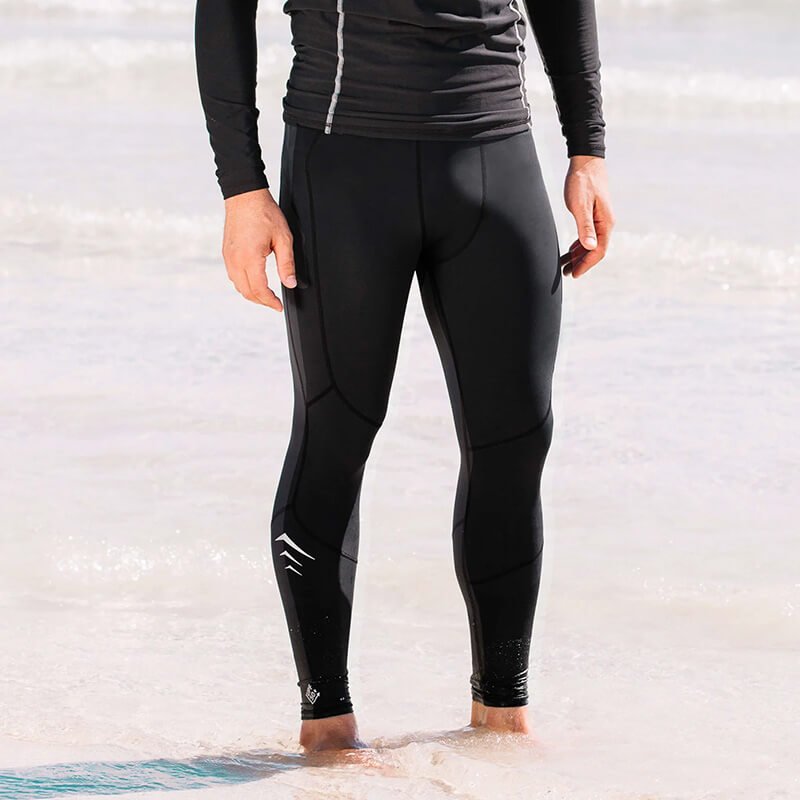
What it is: Extended-coverage bottoms designed for sun protection and water sports, often paired with rash guards.
Best for: Snorkeling, paddle sports, long sun exposure, and anyone who prefers more coverage.
Pros
- Strong sun coverage for long outdoor days
- Can reduce irritation during water sports
- Pairs well as a set with rash guards
Cons
- Not everyone wants the look
- Fit must be precise to avoid bunching
Fit tip: Choose a secure waistband and fabric that stays opaque when stretched.
Fabric tip: Stretch and recovery are key, with a smooth feel against the skin. Many brands choose UPF-rated options for long days outdoors.
Brand note: For brands: consider selling these as part of a sun-protection set rather than a standalone bottom.
10 Types of Men’s Swimwear: Quick Comparison Table
| Type | Typical length | Fit | Best for | Liner / Support | Dry time |
|---|---|---|---|---|---|
| Swim trunks | 5–7″ inseam | Relaxed | Everyday beach/pool | Often mesh or compression | Fast |
| Boardshorts | 8–11″ | Relaxed/straight | Surfing, coverage | Often no liner | Medium |
| Volley shorts | 3–5″ | Relaxed/athletic | Travel, beach sports | Often lined | Fast |
| Swim briefs | Minimal | Snug | Lap swimming, tanning | Built-in support (lined front) | Fast |
| Square-leg | Short (mid-thigh) | Snug | Swim + style | Usually lined | Fast |
| Jammers | Knee-length | Compression | Training, lap swimming | Compression + lining varies | Medium |
| Swim boxer briefs | Upper/mid-thigh | Snug | Support + comfort | Compression-like support | Medium |
| Drag suits | Mid-thigh | Loose | Swim training | Worn over briefs/jammers | Slow |
| Hybrid shorts | 7–9″ | Casual short fit | Travel, “one short” use | Usually unlined or light lining | Medium |
| Swim leggings / sun bottoms | Full length | Snug | Sun protection, water sports | Compression feel | Medium |
Common fabrics for men’s swimwear
Most men’s swimwear is made from nylon or polyester blends. The right choice depends on how the suit will be used and how you want it to feel.
- For trunks, boardshorts, and many hybrid shorts: woven polyester or nylon is common because it’s durable, holds prints well, and dries quickly.
- For fitted styles like briefs, square-leg, jammers, and swim boxer briefs: knit fabrics with elastane (spandex) are popular for stretch, shape recovery, and a smoother feel on skin.
- For frequent pool use: chlorine-resistant fabrics (often polyester-based, or specialty blends like PBT mixed with polyester) usually keep their fit and color longer than standard nylon-elastane.
- For sun-protection pieces: lightweight nylon-elastane or polyester-elastane knits are common, and many brands choose UPF-rated options for long days outdoors.
What to decide before sampling?
If you’re developing a men’s swimwear line, the style name is only the first decision. A few choices have an outsized impact on comfort, reviews, and returns:
- Use case first: pool training, beach lifestyle, surf, or travel
- Inseam strategy: choose 2 to 3 lengths to cover most customers
- Liner plan: mesh vs compression vs no liner, and stay consistent across the line
- Fabric direction: quick-dry woven vs stretch knit vs chlorine-resistant
- Construction details: pocket drainage, seam strength, waistband comfort
- Sizing and grading: don’t just scale evenly; thigh and rise matter a lot
- Branding: labels, drawcord tips, trims, packaging, hangtags
If you already have designs, sketches, or reference photos, we can help turn them into clear sampling specs: fit, fabric, trims, and a production-ready size set.
FAQ
What are the main types of men’s swimwear?
The most common are swim trunks, boardshorts, volley shorts, briefs, square-leg shorts, jammers, swim boxer briefs, drag suits, hybrid shorts, and sun-protection bottoms like swim leggings.
Are swim trunks and boardshorts the same?
Not exactly. Trunks are usually shorter and often have a liner. Boardshorts are typically longer, surf-inspired, often unlined, and designed for board sports.
What inseam length should I choose?
Most people do well with 5–7 inches. Go shorter for a modern sporty look (3–5″), and longer for more coverage or surfing (7–9″+).
Mesh liner vs compression liner, which is better?
Mesh is breathable and common, but some people find it itchy. Compression liners offer more support and reduce chafing, especially for active wear.
What’s best for lap swimming?
Jammers are a top choice for training. Briefs also work well if you prefer minimal coverage and maximum freedom.
Conclusion
The best men’s swimwear comes down to matching the type to your use: trunks and volley shorts for everyday, boardshorts for surf and coverage, and briefs or jammers for serious swimming.
Once you’ve picked the style, the “feel” comes from the details: inseam, liner support, and fabric choice (polyester for durable quick-dry shorts, nylon blends for a smoother premium fit, and sustainable options like recycled yarns when you want an eco story).
Whether you’re buying for yourself or building a brand collection, choosing with these basics in mind makes it much easier to land on a suit that looks right, feels comfortable, and performs the way you expect.