
If you are manufacturing swimwear today, PBT fabric has likely crossed your radar. It has evolved into one of the most trusted materials in the industry , offering a level of durability and shape retention that traditional nylon blends often struggle to match.
For brands focused on long-term quality, understanding PBT is no longer optional—it is a core component of modern swimwear production.
What Is PBT Fabric?
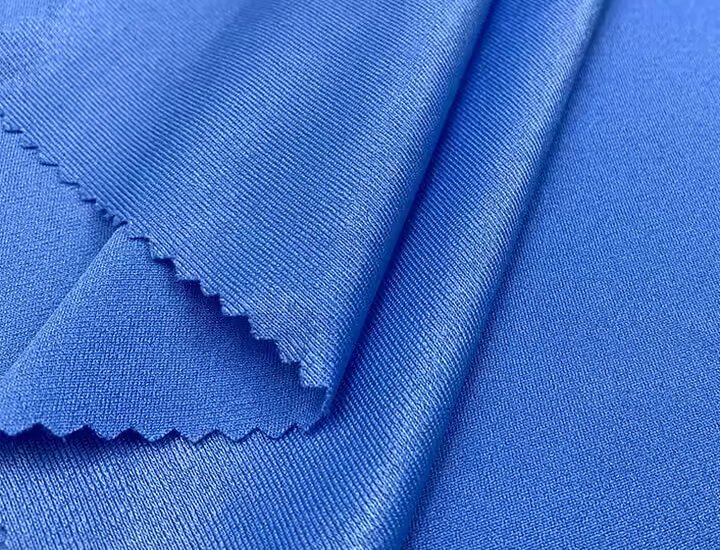
Technically, PBT stands for Polybutylene Terephthalate. It is a specific type of polyester fiber engineered for three things: strength, stretch, and stability.
Think of it as a hybrid: it feels soft and flexible like spandex, but it behaves like a high-performance technical polyester. This balance makes it ideal for swimwear that needs to handle frequent pool use, sun exposure, and constant stretching without failing. While you can find 100% PBT, it is often blended with polyester or spandex to adjust the softness and elasticity depending on the final product.
Why PBT Stands Out: Key Performance Features
PBT has earned its reputation by solving specific pain points in the swimwear market.
1. Unmatched Chlorine Resistance
Chlorine is the primary enemy of swimwear; it breaks down fibers and causes colors to fade. PBT is one of the few fibers that maintains its strength and elasticity even after hundreds of hours in chlorinated pools. Compared to nylon or spandex-heavy blends, it is simply more reliable.
2. Shape Retention
We’ve all seen swimsuits that sag after a few months. PBT prevents this. It holds its shape exceptionally well, snapping back instantly after being stretched during competition or training. For brands, this means the product maintains a firm, supportive fit for longer.
3. Durability and “Glide”
PBT fibers are tough. They resist pilling, abrasion, and the fatigue caused by stretching. Despite this toughness, the yarn is smooth, allowing swimmers to glide through the water with reduced drag. It feels comfortable and soft, not rough.
4. UV Stability and Fast Drying
Because PBT absorbs very little water, the fabric feels lighter and dries much faster than traditional materials. It also boasts strong UV stability, meaning colors stay vibrant even when worn extensively outdoors or at the beach.
Why It’s Popular in Modern Swimwear
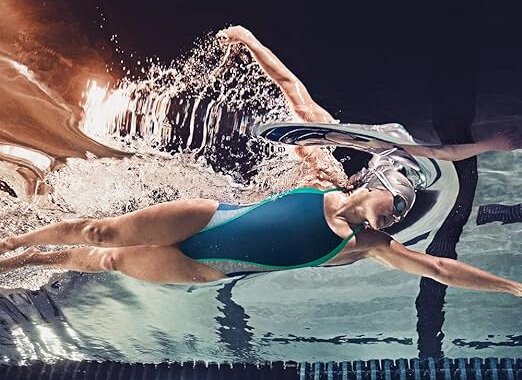
PBT’s popularity has grown significantly in the past decade because it solves common problems faced by swimwear brands and consumers. Traditional nylon/spandex swimwear often stretches out, fades or thins much faster than consumers expect. PBT solves these issues with a long-lasting, stable structure.
Swimwear brands prefer PBT because:
- It reduces returns caused by bagging or loss of shape
- It extends the overall lifespan of the garment
- It supports performance-focused design
- It holds prints and colors beautifully
- It meets the needs of chlorine-intensive environments
For competitive swimming, school team uniforms, training suits and water-sports gear, PBT has become the preferred material.
PBT vs. Nylon vs. Polyester
To make the right fabric choice, it helps to compare PBT side by side with the two most common alternatives: nylon and polyester.
| Feature | PBT | Polyester | Nylon |
|---|---|---|---|
| Chlorine Resistance | Excellent | Good | Weak to moderate |
| Stretch | Medium | Minimal | Higher natural stretch |
| Stretch Recovery | Strong and stable | Strong | Very good at first but weakens quickly |
| UV Resistance | High | Good | Lower |
| Water Absorption | Low | Low | Higher |
| Drying Speed | Fast | Fast | Medium |
| Hand Feel | Slightly stiffer | Firm, supportive | Soft, silky |
| Lifespan for Pool Use | Long | Long | Short |
Summary
- Choose Nylon if your priority is ultra-soft fashion swimwear where longevity is secondary
- Choose Polyester for entry-level collections.
- Choose PBT for performance, training suits, and team uniforms where durability is paramount
Choosing the Right Blend for Your Collection
PBT is rarely “one size fits all.” Different categories require different blends
100% PBT: This provides the maximum chlorine resistance and longest lifespan. It has a firmer structure, making it perfect for competition or serious training suits.
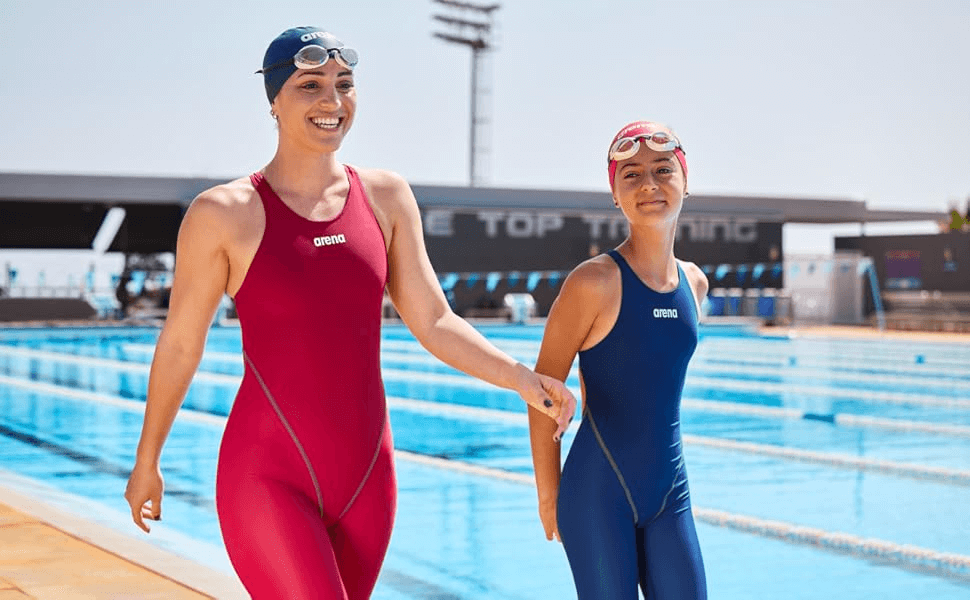
PBT + Polyester: This blend balances durability with comfort and offers strong UV resistance. It is the go-to for school teams and water-sports uniforms.

PBT + Spandex: If you need more flexibility, this blend adds stretch while maintaining chlorine resistance. It is ideal for “fashion-performance” hybrid swimwear.
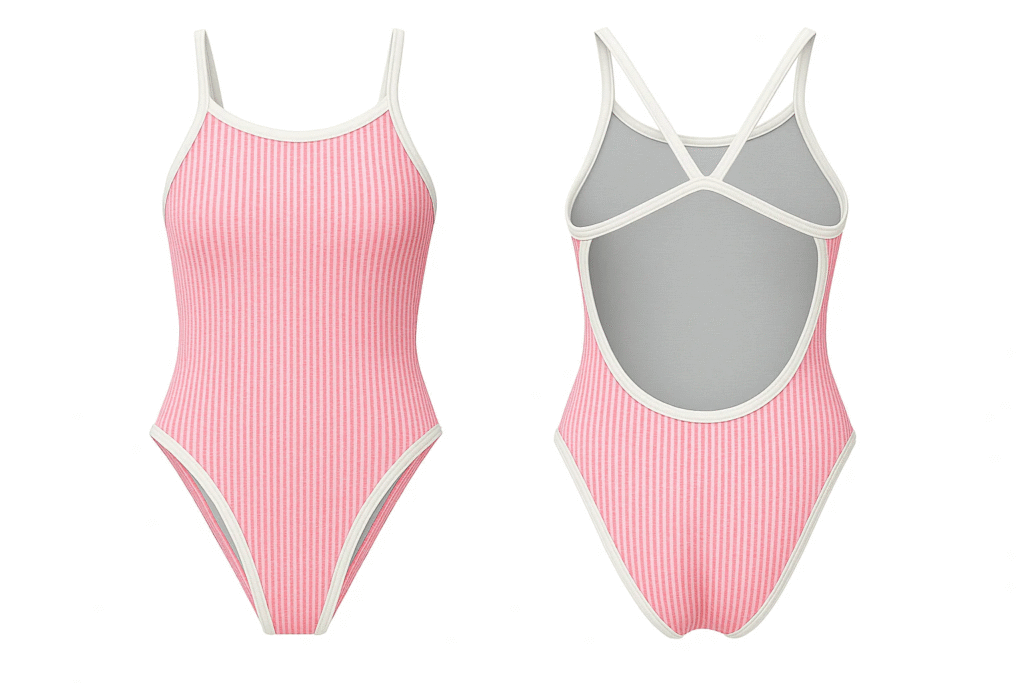
Recommended Applications by Category
Different swimwear categories often select blends based on performance needs:
| Swimwear Category | Recommended PBT Blend | Why? |
|---|---|---|
| Competitive Swimwear | 100% PBT | Longest-lasting, stable fit |
| Training & Practice Suits | 100% PBT or PBT/Polyester | High chlorine resistance |
| School & Club Team Uniforms | PBT/Polyester | Colorfast and durable |
| Water Sports & Surf Wear | PBT/Spandex | Extra mobility and comfort |
| Resort & Beach Swimwear | PBT/Spandex | Soft, supportive feel |
| Lifeguard Swimwear | PBT/Polyester | UV-resistant and durable |
These blends help brands meet the performance requirements of different customers.
Sustainability and The Future of PBT
Is PBT sustainable? Traditionally, it is a synthetic fiber, but the industry is rapidly shifting toward responsible production.
Many mills now offer recycled PBT (rPBT), created from post-consumer or industrial waste. Importantly, these eco-friendly versions do not sacrifice performance—they maintain the same durability and chlorine resistance as virgin PBT.
Sustainability improvements also include:
- Reduced-water dyeing processes
- Eco-certified colorants
- Lower-energy extrusion methods
- Recycled polyester/PBT hybrid yarns
For brands building an eco-friendly swimwear line, recycled PBT is a strong option that keeps performance intact.
Common Questions (FAQ)
Is PBT in clothing safe?
Yes. PBT is generally considered safe and is a standard material in sportswear and performance fabrics. Like any synthetic, it should be sourced from reputable mills that adhere to safety and chemical regulations.
Is PBT stretchy?
Yes, it has natural stretch and good recovery. However, note that it is not as elastic as pure spandex, which is why blends are often used for specific fits.
Is PBT suitable for printed swimwear?
Absolutely. PBT fabrics take color very well. They are excellent candidates for sublimation, heat transfer, and digital printing, maintaining sharp, vibrant prints over time.
What are the disadvantages of PBT?
The main trade-off is feel. While comfortable, PBT is not as ultra-soft as nylon. If your main goal is luxury “hand-feel” for fashion-only items, PBT might not be your first choice.
Conclusion
PBT fabric has secured its place as one of the most reliable materials in modern swimwear. It delivers what swimmers actually want: a comfortable fit, UV stability, and a suit that doesn’t degrade after a few weeks in the pool.
If you are building a new collection or upgrading your current line, PBT offers the consistency required to reduce returns and build brand loyalty.
As a leading swimwear manufacturer in China, we can help you navigate these choices, source high-quality PBT, and turn your designs into market-ready products.