
When comparing swimwear fabrics, brands often begin with fiber composition, such as nylon, polyester, and elastane. Yet two fabrics with similar compositions can still feel and perform very differently once they are made into swimsuits.
One reason is GSM. It indicates fabric weight, but it does not tell the whole story. Fabrics with the same GSM can still differ in thickness, stretch, recovery, opacity, compression, texture, and overall wearing experience.
What Does GSM Mean in Fabric?
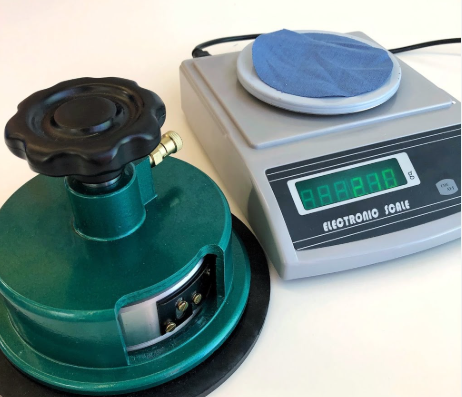
GSM stands for grams per square meter. It measures the weight of one square meter of fabric.
For example, if a fabric is listed as 200 GSM, one square meter of that material weighs approximately 200 grams. This gives designers, fabric suppliers, and manufacturers a consistent way to compare fabric weight.
However, GSM measures weight rather than thickness.
A higher-GSM fabric contains more material per square meter, but it may not always feel thicker than a lower-GSM option. Yarn size, knit density, surface texture, and finishing can all change how thick or substantial a fabric feels.
How Does GSM Affect Swimwear?
Fabric weight can influence the appearance, fit, and wearing experience of a swimsuit. However, GSM rarely works alone. Its effect depends on how the weight interacts with the fabric’s stretch, recovery, construction, and intended use.
Coverage and Opacity
A higher-GSM fabric often feels more substantial and may provide better coverage. This can be helpful for white swimsuits, pastel colors, one-piece styles, and designs with larger body panels.
Even so, a higher GSM does not guarantee opacity. A fabric may look completely opaque when lying flat but become more transparent when stretched over the body.
Color, knit density, lining, and wet conditions also affect coverage. For this reason, opacity should be tested while the fabric is stretched and wet rather than judged only by its weight.
Support and Compression
Heavier fabrics are often associated with stronger support, but GSM alone does not create compression.
Support depends on how much the fabric resists stretching and how effectively it returns to its original shape. A moderate-weight fabric with a compact knit and strong recovery may feel more supportive than a heavier material with loose stretch.
This distinction is especially important for shaping one-pieces, high-waisted bottoms, sports-inspired swimwear, and plus-size styles.
A supportive fabric should hold the body securely without feeling stiff or overly restrictive.
Drape and Silhouette
Lighter fabrics usually create a softer and more flexible silhouette. They can work well for triangle bikinis, tie-side bottoms, ruched styles, and designs that require natural movement.
More substantial fabrics tend to create a smoother and more structured appearance. They may be better suited to one-piece swimsuits, high-waisted designs, or styles intended to produce a sculpted look.
The weight should support the intended design. A fabric that is too heavy may make ties bulky or cause ruffles to look stiff, while a fabric that is too light may not hold a structured shape.
Comfort and Movement
A lower-GSM fabric may feel light on the body, but lightweight does not always mean comfortable.
If the fabric lacks stability, it may roll at the edges, lose shape, or feel less secure during movement. It may also require additional lining, which changes the overall weight of the finished garment.
A higher-GSM material may feel stable and supportive, but it can become uncomfortable if its stretch is limited. The best result comes from balancing weight, elasticity, and recovery.
Wet Feel and Drying Time
GSM can affect how substantial a swimsuit feels after entering the water, but it does not determine drying speed by itself.
Fiber composition, yarn structure, surface texture, lining, and finishing all influence how much water a fabric holds. A heavier fabric may retain more water, but some dense synthetic fabrics still dry relatively quickly.
Similarly, a lightweight textured fabric may hold more water than expected. Quick-dry performance should therefore be tested separately rather than assumed from the GSM number.
What Is a Typical GSM for Swimwear?
There is no single GSM that works for every swimsuit. Many commonly used swimwear fabrics fall between approximately 180 and 240 GSM, but this range is only a general reference.
| Approximate GSM | General Character | Typical Applications |
|---|---|---|
| Below 180 GSM | Lightweight and flexible | Delicate bikini styles, overlays, and soft design details |
| 180–220 GSM | Balanced weight and stretch | Bikinis, one-pieces, and general fashion swimwear |
| 220–260 GSM | More substantial and structured | High-waisted bottoms, supportive styles, and shaping swimwear |
| Above 260 GSM | Dense, textured, or highly structured | Compressive, specialized, or fashion-focused designs |
These ranges should not be treated as fixed rules.
A ribbed or crinkle fabric may have a relatively high GSM because of its textured surface, yet still feel soft and flexible. A smooth technical fabric may have a lower GSM but feel firm because of its compact knit.
The same fabric weight can also feel different when used in different garments. A 220 GSM fabric may suit a structured one-piece but feel unnecessarily heavy in a minimal string bikini.
Why Can Fabrics with the Same GSM Feel Different?
GSM describes how much the fabric weighs, but it does not explain how that weight is distributed or how the fabric is constructed.
Several other properties determine the actual hand feel and performance.
Fiber Composition
Nylon and polyester can behave differently even when the fabrics have the same GSM.
Nylon-based materials are often selected for their soft and smooth feel. Polyester fabrics are frequently used when print clarity, color retention, or chlorine resistance is a priority.
Elastane affects stretch and recovery, but the percentage alone is not enough to predict performance. Yarn quality and knitting method also influence how the fabric behaves.
Knit Construction
Knit construction has a major impact on thickness, texture, compression, and drape.
A smooth, compact knit may feel firm and supportive. A ribbed, jacquard, crinkle, or waffle fabric may feel fuller and softer, even when its GSM is similar.
The structure also affects how light passes through the fabric. A dense lower-GSM fabric may provide better opacity than a heavier material with a more open construction.
Stretch and Recovery
Stretch describes how far the fabric can extend, while recovery describes how well it returns to its original shape.
These two qualities are especially important in swimwear because the garment must move with the body and repeatedly recover after being stretched.
A fabric with generous stretch but weak recovery may become loose around the neckline, leg openings, or waist. Strong recovery helps the swimsuit maintain its fit and silhouette over time.
Fabric Finishing
Finishing treatments can change the appearance and hand feel of a fabric without significantly changing its GSM.
Brushing may make a surface feel softer, while heat setting can improve stability. Other finishes may affect shine, chlorine resistance, UV protection, or moisture behavior.
As a result, fabrics with identical weight and composition may still feel different after finishing.
Matching GSM to the Swimwear Design
The most suitable GSM depends on the type of garment being developed. The fabric should support the design rather than forcing the design to adapt to the fabric.
Fashion Bikinis
Fashion bikinis often require softness, flexibility, and clean stretch across relatively small pattern pieces.
Triangle tops, tie-side bottoms, and ruched styles usually benefit from a moderate or slightly lighter fabric that gathers and folds naturally. If the material is too heavy, knots, ties, and gathered sections can become bulky.
The fabric still needs enough recovery to prevent sagging, especially in minimal-coverage designs.
Supportive One-Pieces
One-piece swimsuits place more tension across the torso and often require greater stability.
A more substantial fabric may help create smoother coverage and a more secure feel. However, vertical stretch is still essential because the garment must comfortably accommodate different torso lengths.
A heavy fabric with insufficient vertical stretch may pull at the shoulders or feel restrictive through the body.
High-Waisted and Shaping Styles
High-waisted bottoms and shaping swimsuits often need a compact structure and strong recovery.
A slightly higher GSM can contribute to a firmer feel, but effective compression should come from the full fabric construction rather than weight alone.
If the material is too resistant, it may create uncomfortable pressure at the waist or leg openings. The goal is controlled support, not stiffness.
Ruffled and Ruched Styles
Ruffles and gathers need enough softness to move naturally.
A very heavy fabric may cause these details to look rigid or oversized. In ruched designs, too much weight can also create excessive bulk where the material is gathered.
A lighter or medium-weight fabric often produces a cleaner and more fluid result.
Reversible Swimwear
Reversible swimwear usually combines two outer-quality fabric layers.
Even when each layer has a moderate GSM, the finished garment may feel much heavier once the fabrics are combined. Seam bulk and drying time can also increase.
For reversible designs, the total construction should be evaluated rather than looking at the GSM of only one layer.
Light-Colored Swimwear
White, cream, nude, and pastel colors often need additional attention to coverage.
A higher GSM may help, but it cannot completely solve transparency if the knit is open or the fabric stretches significantly. Lining color and density may have an equally important effect.
Testing the fabric while stretched and wet gives a more realistic picture of how the finished swimsuit will perform.
Is Higher GSM Always Better?
A higher GSM can create a substantial, premium feel, but it is not automatically a sign of better quality.
Quality depends on how well the fabric performs in actual use. It should maintain its shape, recover after stretching, resist chlorine and saltwater, and retain its color over time.
A heavy fabric that fades quickly or loses elasticity is not necessarily better than a lighter fabric with strong recovery and excellent durability.
Higher GSM can also become a disadvantage when it works against the design. It may make a delicate bikini feel bulky, reduce the movement of ruffles, or make a reversible swimsuit too heavy.
Lower-GSM fabrics should not automatically be considered inferior either. Advanced knitting methods can create lightweight fabrics with excellent strength, opacity, and recovery.
The right GSM is not the highest number available. It is the weight that best supports the intended fit, silhouette, comfort, and performance.
Conclusion
GSM is an important measurement because it provides a consistent way to compare fabric weight.
It can help indicate whether a material may feel lightweight, balanced, substantial, or structured. However, it does not measure thickness, support, opacity, or quality by itself.
The final performance of a swimwear fabric also depends on fiber composition, knit construction, stretch, recovery, finishing, color, and lining.
The right fabric is not simply the lightest or heaviest option. It is the one that creates the intended appearance, fit, comfort, and performance in the finished swimsuit.