
Your base-size swimsuit has been approved. The next decision is whether the same design works across the sizes you plan to sell. A good fit in one size cannot answer that question.
Swimwear size grading develops the pattern into other sizes. For buyers, the practical task is to agree on the measurement changes, review the sizes that carry the most risk, and document what has actually been approved.
Separate body measurements from garment measurements
A customer size chart describes the bodies a product is intended to fit. A garment specification describes the finished product at defined points of measure. Keep both documents, but do not use their numbers interchangeably.
Record how each garment measurement is taken: flat or stretched, along which path, and with what setup. A half-width measured flat is different from a full circumference. Put these definitions in the swimwear tech pack before comparing sizes.
Ask for a graded chart, not one blanket increase
Request the proposed measurements for every size, with the approved base size identified. Review each point separately rather than asking for the entire garment to become a fixed percentage larger.
| Area | Buyer-side question |
|---|---|
| Bust and underbust | How will coverage, support placement and the opening change together? |
| Waist and seat | Will the intended rise and back coverage remain consistent? |
| Straps and openings | Do length, position and adjustment range suit each reviewed size? |
| Torso and cut-outs | Will the design lines sit in the intended places as sizes change? |
| Cups and hardware | Are component sizes fixed, or are different components proposed? |
Do not substitute a generic internet grading table for a style-specific agreement. The pattern, intended customer, materials and construction all belong in the discussion.
Choose which sizes need physical review
Ask the sample team to explain the proposed size-set review. A size set means samples in selected sizes; agree which sizes and what each will demonstrate. Do not assume the phrase guarantees a sample of every size.
Consider the ends of the offered range and any size where cups, hardware or construction change. Agree the review scope, charges and timing before ordering those samples. This is a development decision, separate from deciding how many saleable garments to buy.
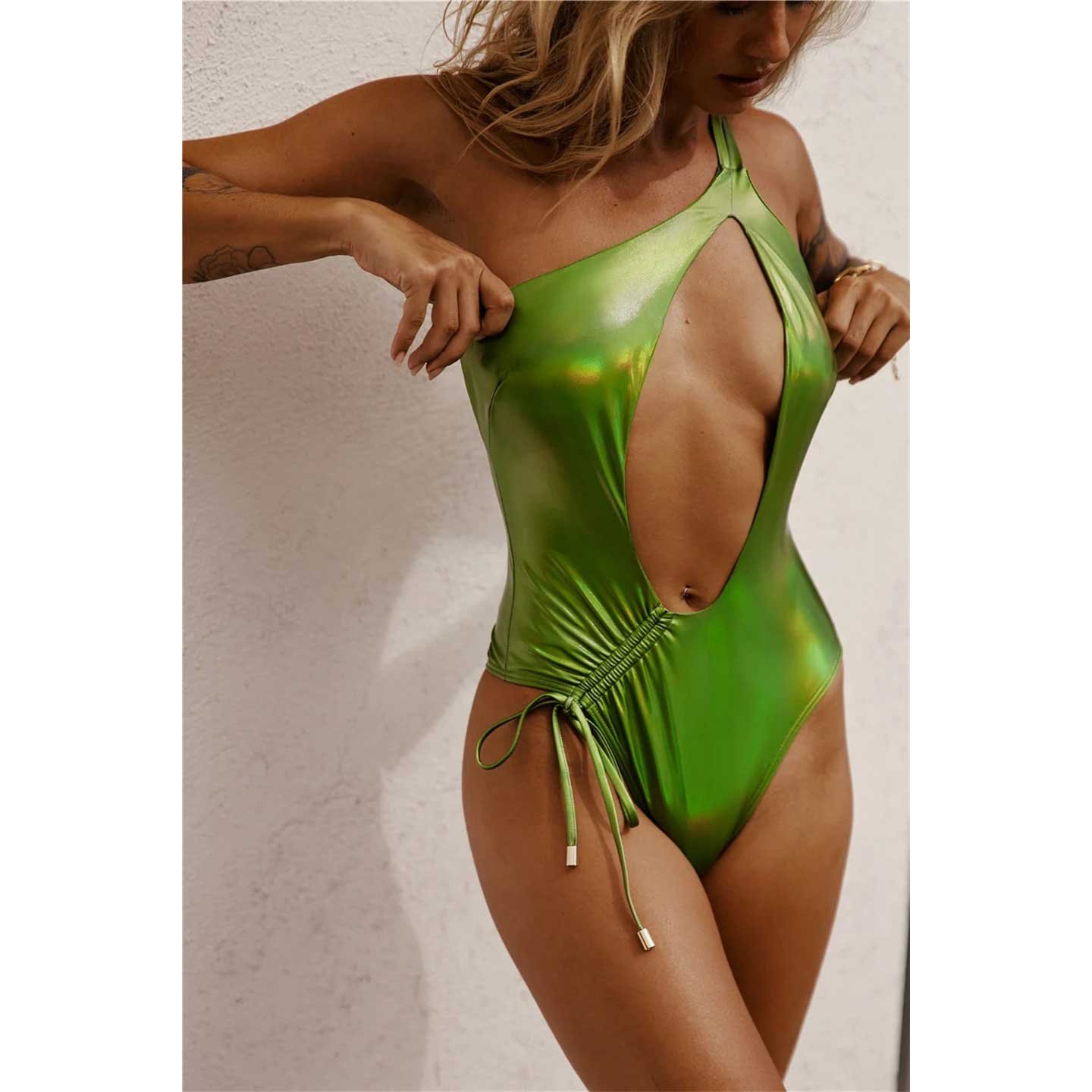
Compare the design as well as the numbers
Use an appropriate fit basis for each reviewed size and record the model measurements, garment size and sample version. Follow the same measuring method and movement sequence so differences can be traced.
A garment may match its chart yet place a neckline, leg opening or cut-out differently than intended. Record that observation separately from a measurement discrepancy. Equally, an adjustable tie should not be treated as evidence that every part of the size range fits.
Use the broader swimwear sample review checklist for materials, construction and approval records; keep this review focused on what changes between sizes.
Close the record before bulk approval
- Identify the final graded chart and its revision date.
- Record the sizes physically reviewed and any unreviewed sizes.
- Confirm component changes and agreed measurement tolerances.
- Resolve conflicting comments before releasing updated patterns.
- State whether a correction needs another physical sample.
Keep size grading separate from the sales size split. The first defines the product; the second allocates inventory. Approving one does not approve the other.
Send Joy Bikini your style references, intended size range and available measurement documents to discuss the sampling scope before committing to bulk production.