
You have six designs ready, three colors for each and a full size range. On paper, it looks like a complete collection. In an order spreadsheet, it can become a lot of inventory before you know which products customers will buy.
Planning your first swimwear production order starts with the assortment: what you will offer, how many versions you will make and where your budget will go.
Count combinations before counting garments
A style, color and size combination is a separate inventory line. Two styles in two colors and five sizes create 20 combinations. In a hypothetical order of 200 garments, an even allocation leaves ten garments in each combination.
That calculation says nothing about demand. It simply shows how quickly a small collection becomes fragmented. Keep tops and bottoms separate in the spreadsheet if you will sell bikinis as separates.
Give each style a reason to be in the launch
Start with your intended customer and selling channel. A collection aimed at resort boutiques may need a different assortment from one sold directly through your own website. Use customer interviews, previous sales or preorder interest where available.
Ask what each design adds. Is it a different fit, coverage level or price position? Two similar designs can compete for the same limited budget. Fewer well-developed styles can leave more room for sampling and revisions.
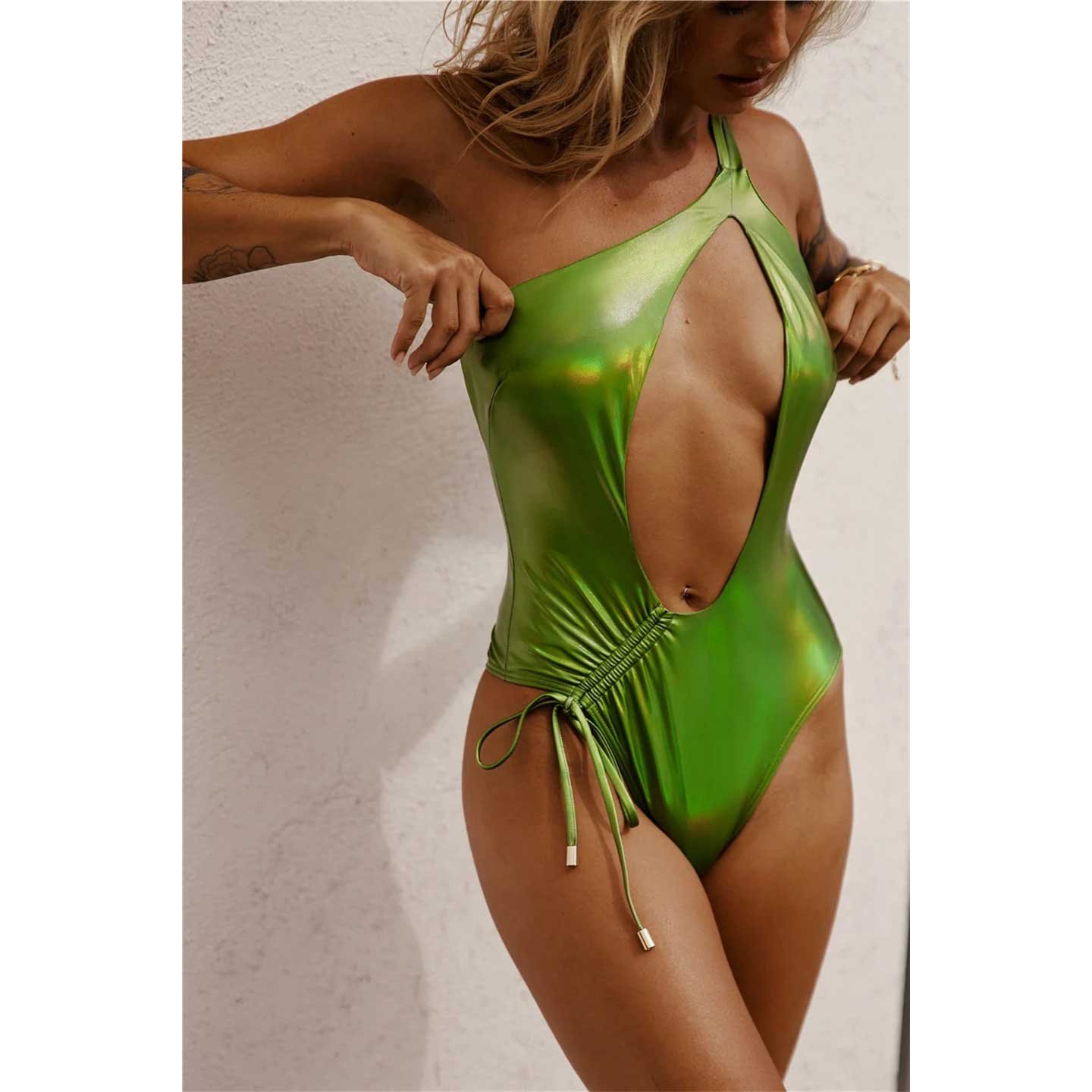
Separate your preferred colors from available options
A color palette is a design decision; whether it works at your order quantity is a sourcing decision. Ask which fabric options are available, which colors need custom development and whether any materials have separate minimums.
Do not assume a garment minimum can be divided across every color you want. Review the supplier’s minimum order information alongside your written quote. If a color introduces a larger material commitment, decide whether it belongs in the first order or a later release.
Build a size allocation you can explain
An equal size split is simple, but simplicity does not make it accurate. Use your own sales history where possible. If you are starting from scratch, record the assumptions behind your allocation and treat them as something to test.
For separates, consider whether your customers will choose different top and bottom sizes. A matching quantity of each size across both garments may create stock imbalances. Confirm any supplier restrictions before settling the breakdown.
Use one working order sheet
Create a row for each style, color and size. Add columns for garment type, quantity, quoted unit price, material reference and approval status. Keep a separate list of sample fees, labels, packaging and shipping charges.
| Decision | Record before ordering |
|---|---|
| Style selection | Style code, intended customer and design reference |
| Materials and colors | Approved references and applicable minimums |
| Sizes | Measurement chart and quantity by size |
| Budget | Included charges, exclusions and contingency |
| Timing | Approval milestones and required delivery date |
Leave room for what happens after launch
Ask about repeat-order minimums and material availability before you need a reorder. A fabric available today may not remain available indefinitely. Keep the approved specifications and sample records so a repeat order has a clear reference.
Before approving production, check that your order sheet, final sample and quotation describe the same assortment. Resolve differences in writing.
Send Joy Bikini your proposed styles and quantity breakdown to discuss which combinations fit your first order.