
Choosing the right fabric is one of the most important decisions when developing swimwear. It affects how the garment feels, stretches, holds its shape, handles chlorine, and looks after repeated use.
Nylon and polyester are the two most common options. Neither is automatically better for every swimsuit. Nylon is usually chosen for its soft feel and comfortable stretch, while polyester is often preferred for durability, color retention, and chlorine resistance.
The right choice depends on the type of swimwear you want to create and how it will be used.
Nylon vs. Polyester: Quick Comparison
| Feature | Nylon Swimwear | Polyester Swimwear |
|---|---|---|
| Feel | Soft and smooth | Slightly firmer |
| Stretch | Excellent when blended with spandex | Good, depending on the blend |
| Shape retention | Good | Very good |
| Chlorine resistance | Moderate | Better |
| UV resistance | Moderate | Better |
| Color retention | Good | Very good |
| Water absorption | Higher | Lower |
| Printing | Suitable for many printing methods | Excellent for sublimation printing |
| Best for | Fashion swimwear and bikinis | Performance and frequent-use swimwear |
These differences can vary depending on the fabric weight, construction, spandex percentage, dyeing method, and finishing treatment.
What Is Nylon Swimwear Fabric?
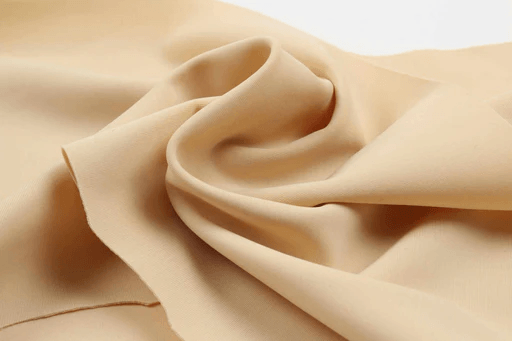
Nylon is a lightweight synthetic fiber known for its soft surface and smooth feel against the skin. In swimwear, it is normally blended with spandex to provide stretch and recovery.
Advantages of Nylon
The main advantage of nylon is comfort. It usually feels softer than standard polyester and follows the body naturally. This makes it suitable for styles designed to create a smooth, close fit.
Nylon also works well with details such as ruching, adjustable ties, cut-outs, and soft gathered edges. Its flexibility makes it easier to use in designs that require both stretch and a refined appearance.
Another benefit is the wide range of surface finishes available. Nylon fabrics can be matte, shiny, ribbed, crinkled, or brushed, giving designers more options for fashion-led collections.
Disadvantages of Nylon
Standard nylon is generally less resistant to chlorine and prolonged sun exposure than polyester. Frequent exposure can gradually affect the fabric’s color, elasticity, and surface.
Nylon also absorbs more moisture than polyester. This does not mean a nylon swimsuit will stay wet for an extremely long time, but it may take slightly longer to dry under the same conditions.
The final performance depends heavily on fabric quality. A high-quality nylon blend with proper dyeing and finishing can perform much better than a low-quality fabric with a similar fiber composition.
What Is Polyester Swimwear Fabric?
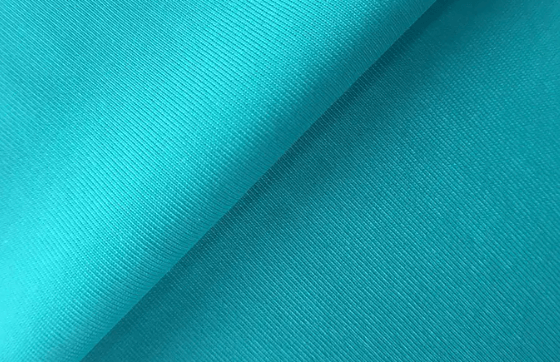
Polyester is another synthetic fiber widely used in swimwear. It has lower moisture absorption and generally offers strong resistance to chlorine, sunlight, and color fading.
Like nylon, polyester is often blended with spandex when more stretch is needed. Some performance swimwear fabrics use a high percentage of polyester to improve durability and shape retention.
Advantages of Polyester
Polyester is a strong choice for swimwear that will be used regularly. It usually maintains its color and shape better after repeated exposure to pool water, sunlight, and washing.
Its chlorine resistance makes it especially suitable for training swimsuits, team uniforms, resort staff swimwear, and other products worn frequently in swimming pools.
Polyester is also well suited to sublimation printing. This process allows the design to become part of the fabric rather than sitting on the surface. The result is a clear, durable print that is less likely to crack or peel.
Because polyester absorbs less water, it usually dries faster and feels lighter after swimming.
Disadvantages of Polyester
Standard polyester may feel slightly firmer or less silky than nylon. This can be noticeable in fashion swimwear where softness is an important selling point.
Its stretch can also be more limited unless it is blended with spandex or engineered with a stretch construction. Poorly selected polyester fabric may feel restrictive, especially around the bust, hips, and leg openings.
However, modern polyester-spandex fabrics are much softer and more flexible than older polyester swim fabrics. Fiber content alone does not tell you how the finished swimsuit will feel.
Which Fabric Is Better for Bikinis?
Nylon-spandex is often the preferred choice for fashion bikinis because it feels soft, stretches comfortably, and works well with fitted or adjustable designs.
It is especially suitable for triangle tops, cheeky bottoms, tie-side bikinis, ruched styles, and designs with soft curves. Nylon also works well when the fabric texture and hand feel are important parts of the design.
Polyester can still be used for bikinis, particularly when the collection includes bold digital prints or needs better resistance to fading. The correct choice depends on whether softness or long-term color performance is the priority.
Which Fabric Is Better for One-Piece Swimsuits?
Both fabrics can work well for one-piece swimwear.
Nylon is suitable for fashion one-pieces with cut-outs, shaping seams, gathered details, or a softer fit. Polyester is often a better option for training suits and styles designed for frequent pool use.
For shaping or tummy-control swimwear, the fabric’s weight, stretch recovery, compression, lining, and panel construction matter more than simply choosing nylon or polyester.
Which Fabric Is Better for Printed Swimwear?
Polyester is generally the better option for sublimation printing. It can produce sharp patterns, bright colors, and good resistance to fading.
Nylon can also be printed, but the printing method must be compatible with the fiber. Some nylon fabrics are better suited to digital printing.
If a collection relies heavily on custom prints, the manufacturer should test the artwork on the actual production fabric. Colors may appear different depending on the fabric base, texture, finish, and stretch level.
Which Fabric Is Better for Chlorine Resistance?
Polyester generally performs better in chlorinated water. It is therefore commonly used for competitive swimwear, swim schools, water parks, and other products exposed to pools regularly.
Nylon is still suitable for normal recreational swimwear, but it requires proper care. The garment should be rinsed with clean water after use and allowed to dry away from direct heat.
The spandex content also matters. Even when the main fiber is chlorine-resistant, repeated chlorine exposure can gradually weaken standard spandex. For high-use swimwear, the entire blend must be selected for chlorine resistance.
What About Recycled Nylon and Polyester?
Recycled versions of both fabrics are available. Recycled polyester is often made from post-consumer plastic materials, while recycled nylon may come from industrial waste, fishing nets, or other nylon sources.
Choosing recycled fabric does not remove the need to evaluate quality. The fabric still needs to meet the required standards for stretch, recovery, colorfastness, chlorine resistance, and durability.
When environmental claims are important, ask the supplier for relevant certificates and transaction documents.
Fiber Content Is Only Part of the Decision
Two fabrics with the same fiber percentages can perform very differently. Before approving a swimwear fabric, consider:
- Fabric weight and thickness
- Four-way stretch
- Stretch recovery
- Spandex percentage
- Opacity when wet and stretched
- Chlorine and colorfastness performance
- Surface texture
- Lining compatibility
Testing the fabric on a finished sample is more reliable than selecting it from a small swatch alone.
Nylon or Polyester: Which Should You Choose?
Choose nylon-spandex when softness, comfort, flexibility, and a smooth fashion look are the main priorities. It is a strong option for bikinis, resort swimwear, and fashion-focused one-piece designs.如
Choose polyester or polyester-spandex when chlorine resistance, print durability, shape retention, and frequent use are more important. It is often better suited to training swimwear, team suits, and highly printed collections.
For many collections, there is no need to use only one fabric. Nylon can be used for solid-color fashion styles, while polyester can be selected for printed or performance-focused products.
Final Thoughts
The best swimwear fabric is not determined by fiber name alone. A suitable material must match the design, target fit, expected use, and required performance.
If you are developing a new swimwear collection, send us your reference images, sketches, or tech pack. Our team can help you compare suitable nylon and polyester fabrics, develop samples, and choose the right material for production.